REGIONAL CUISINE
Punjab
Hearty breakfasts, tandoor breads and deeply cooked meat and vegetable dishes.
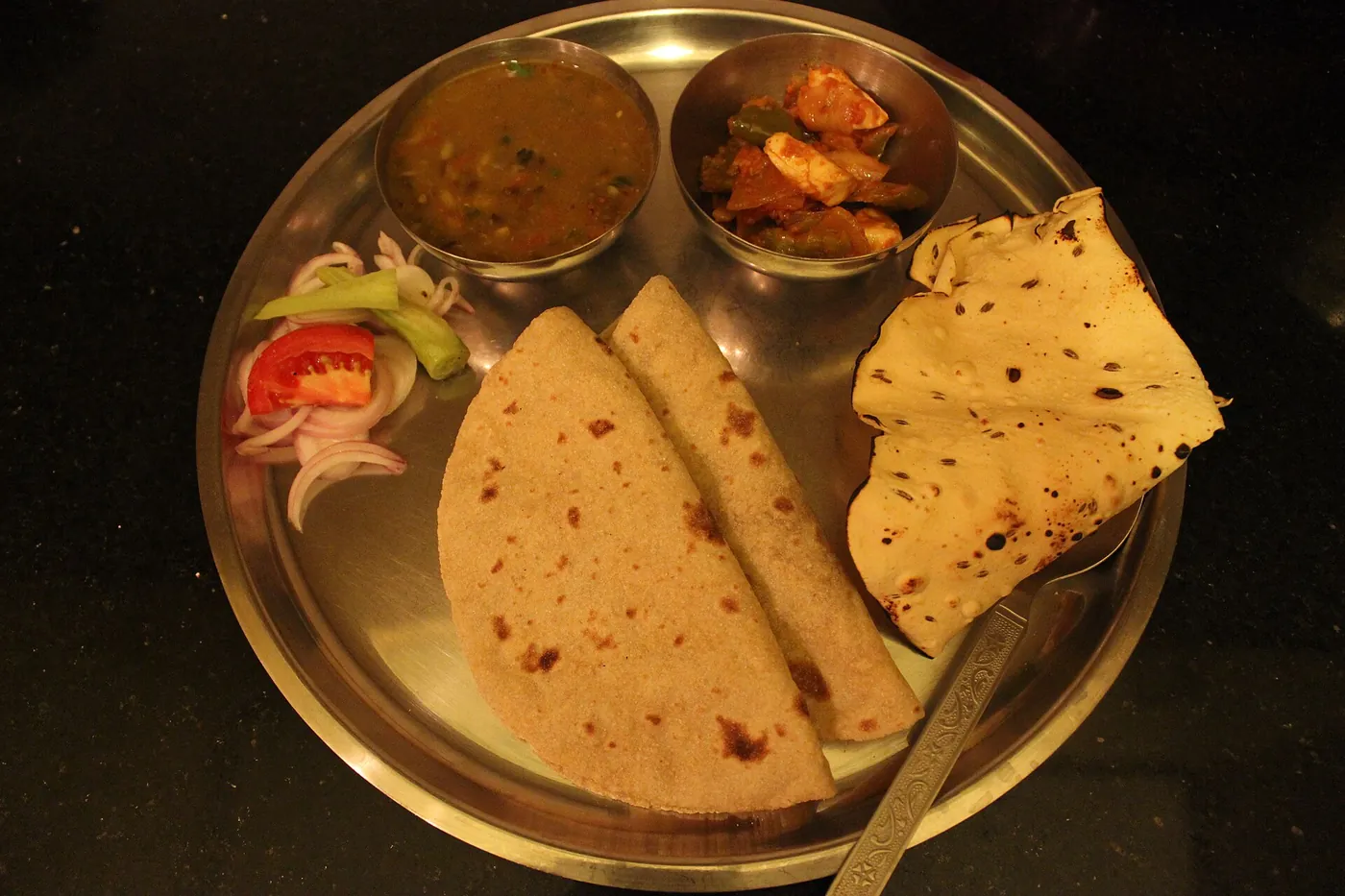
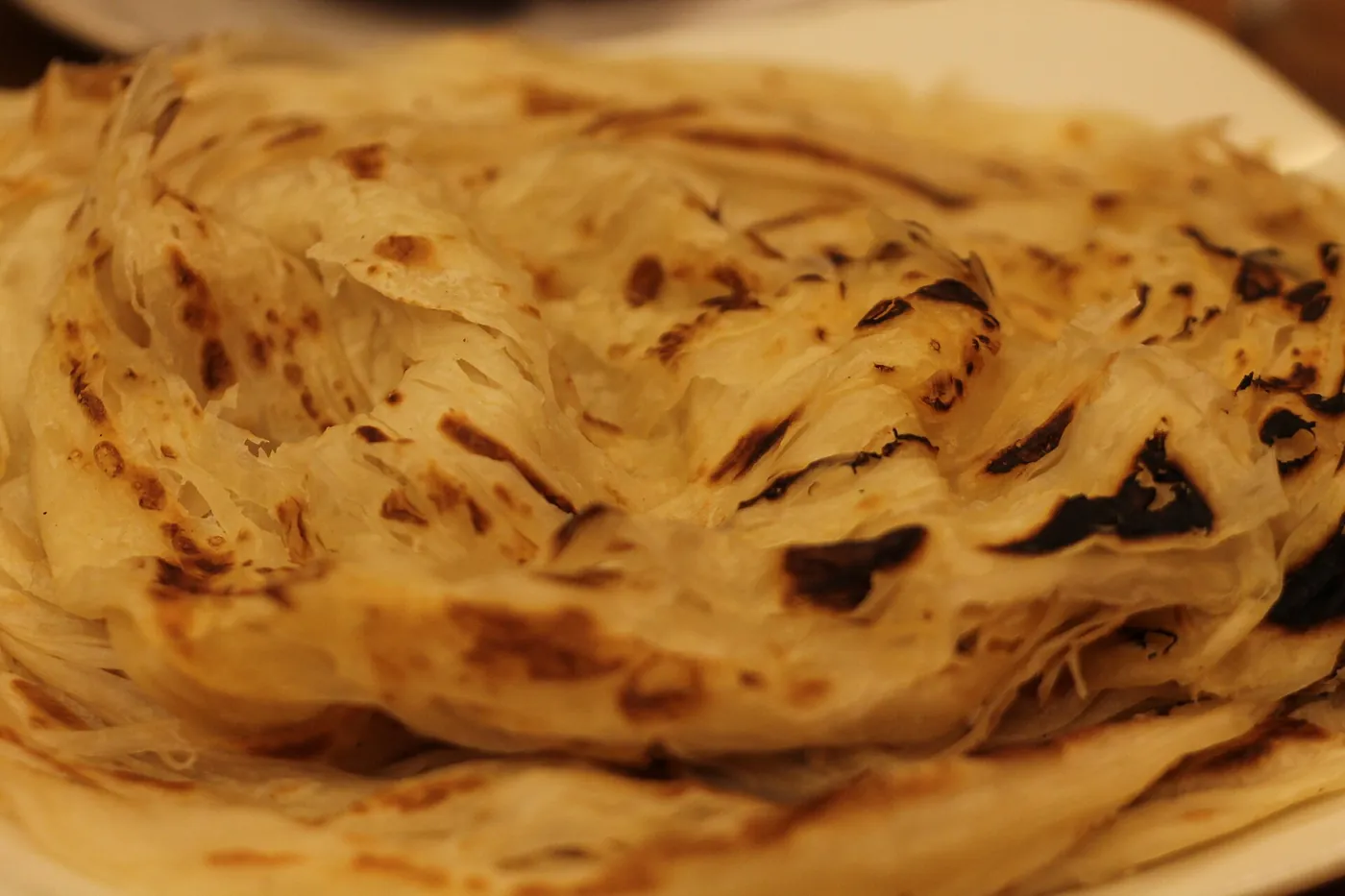
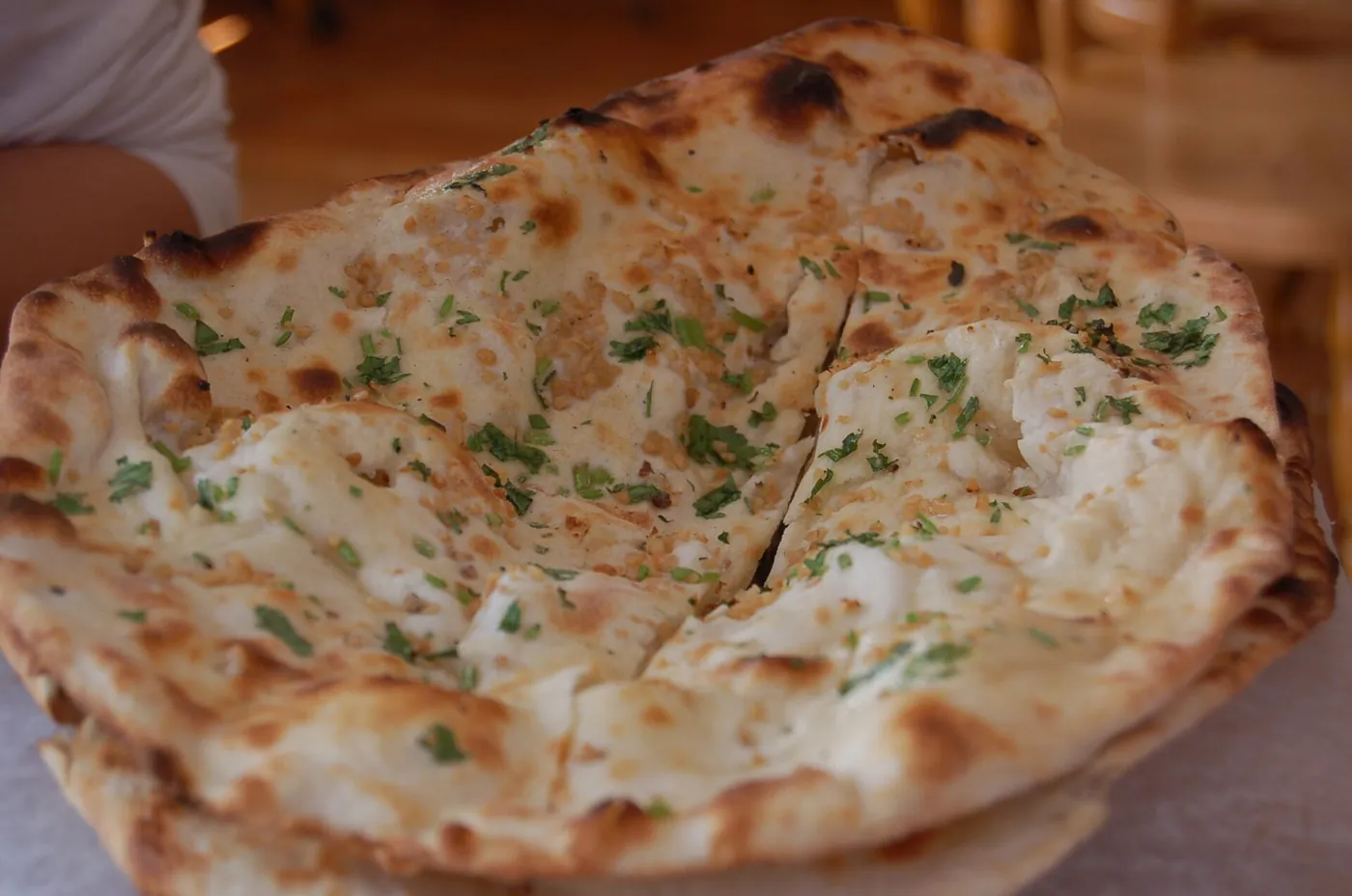
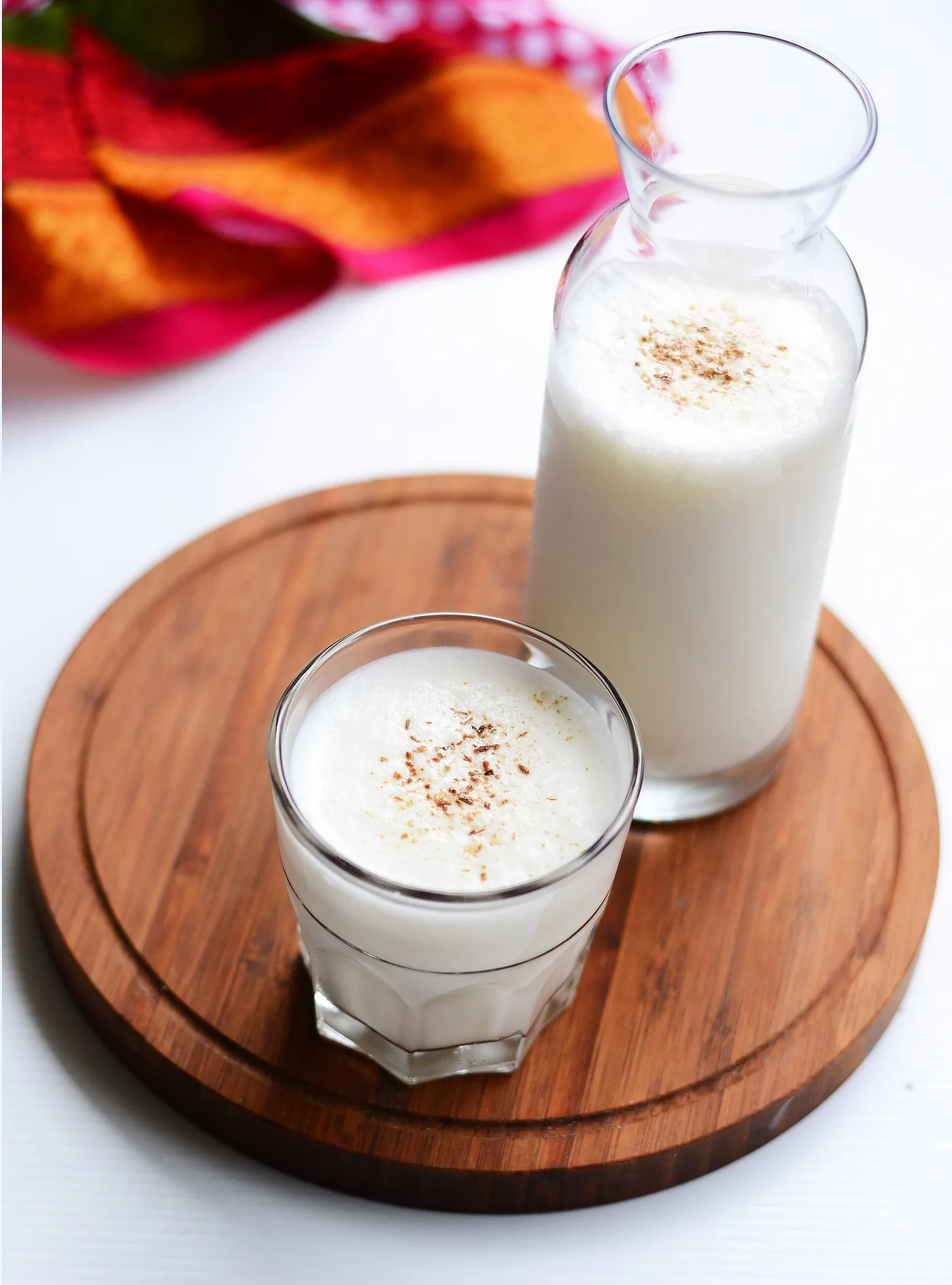
Punjab is the agricultural heartland of Pakistan, and its food is built on what its plains grow best: wheat, sugarcane, mustard, rice and milk. Bread is eaten at almost every meal, from everyday roti and paratha to naan from the neighbourhood tandoor, and dairy appears everywhere as ghee, yoghurt, lassi and white butter.
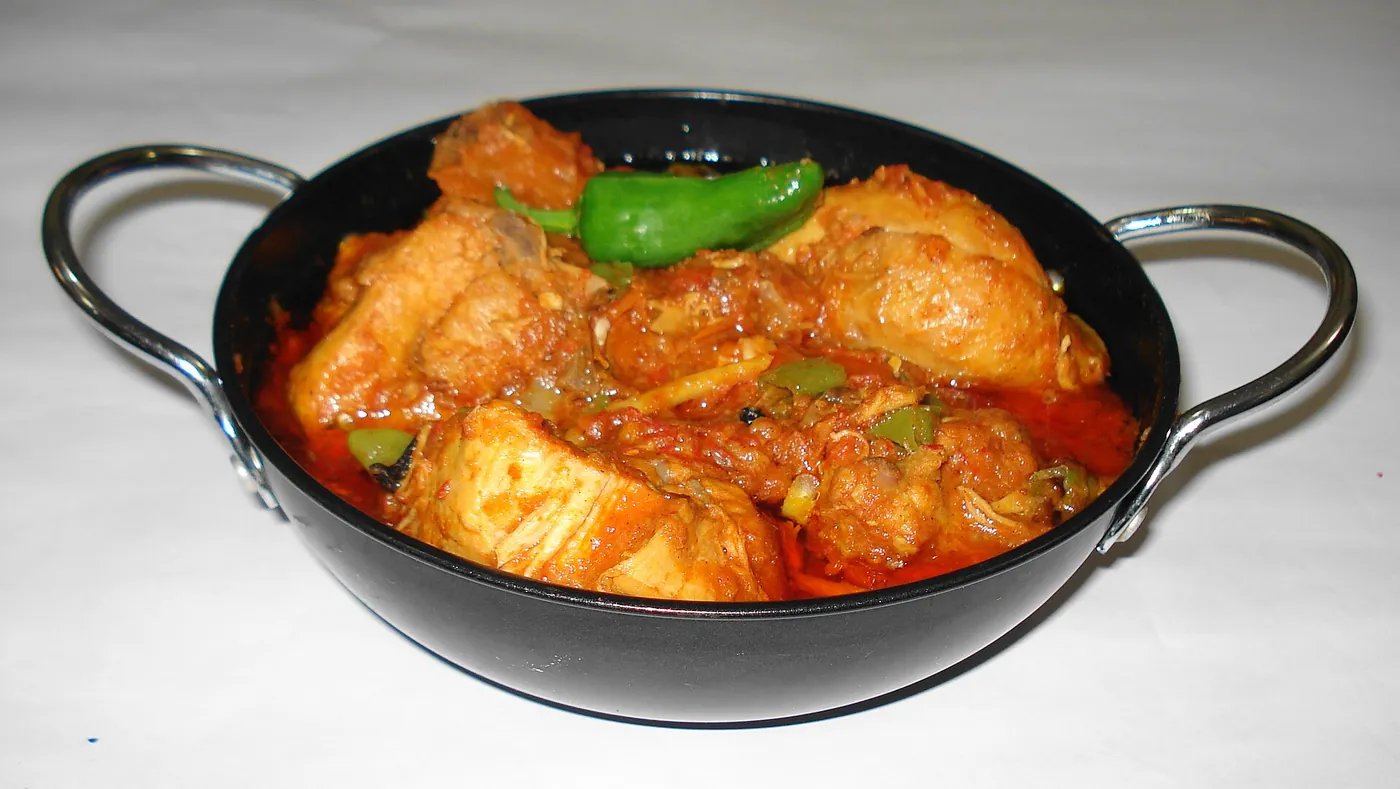
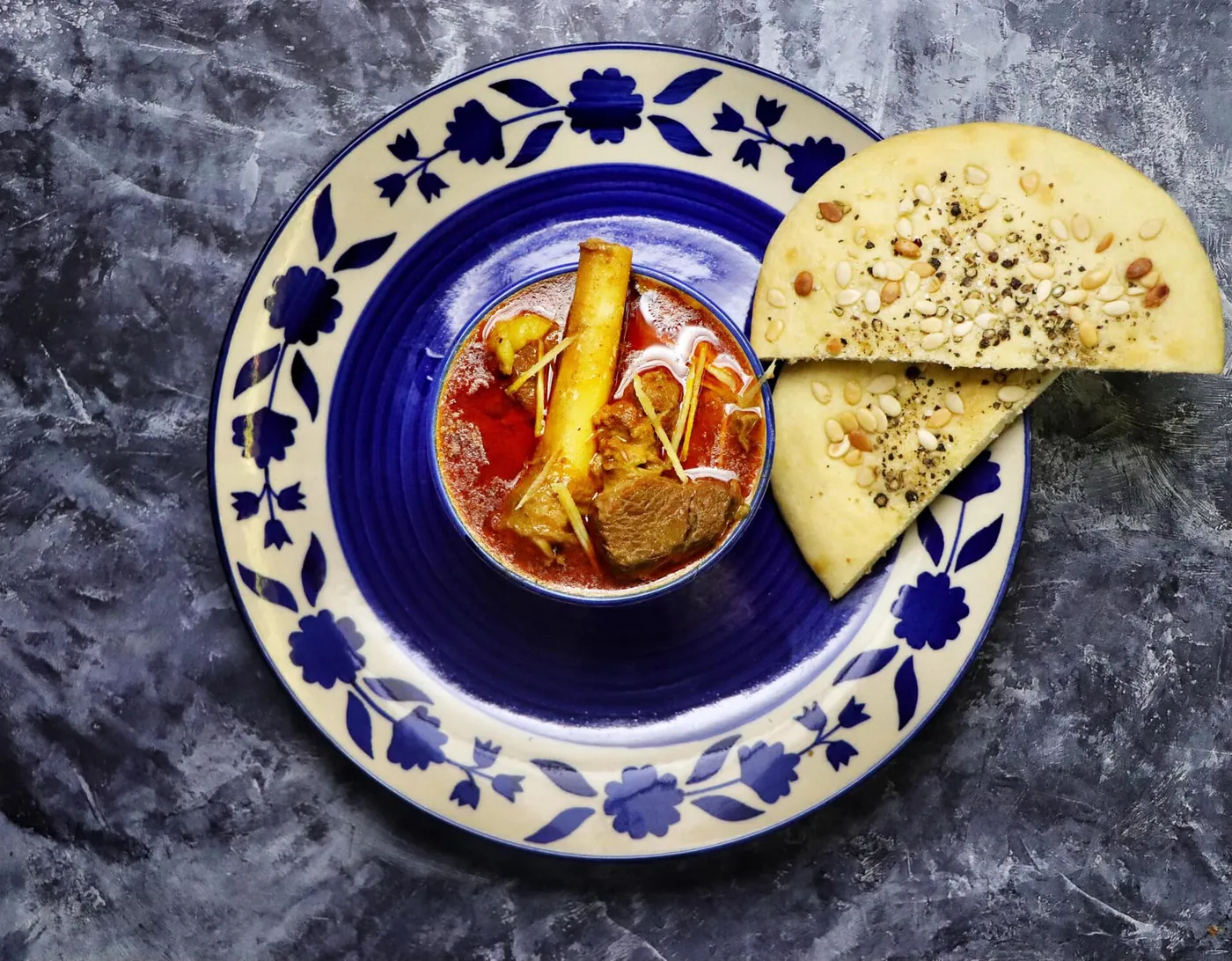
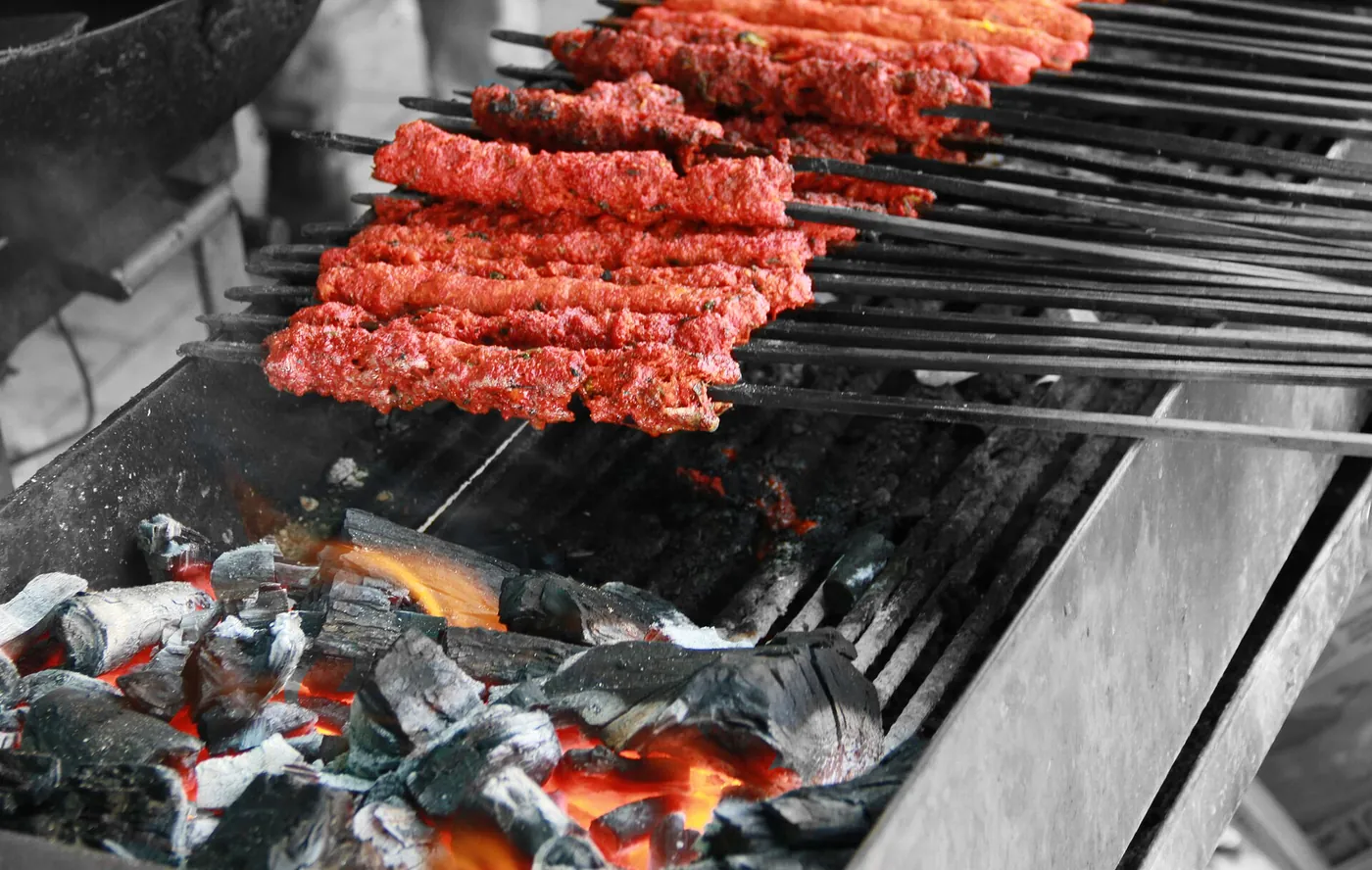
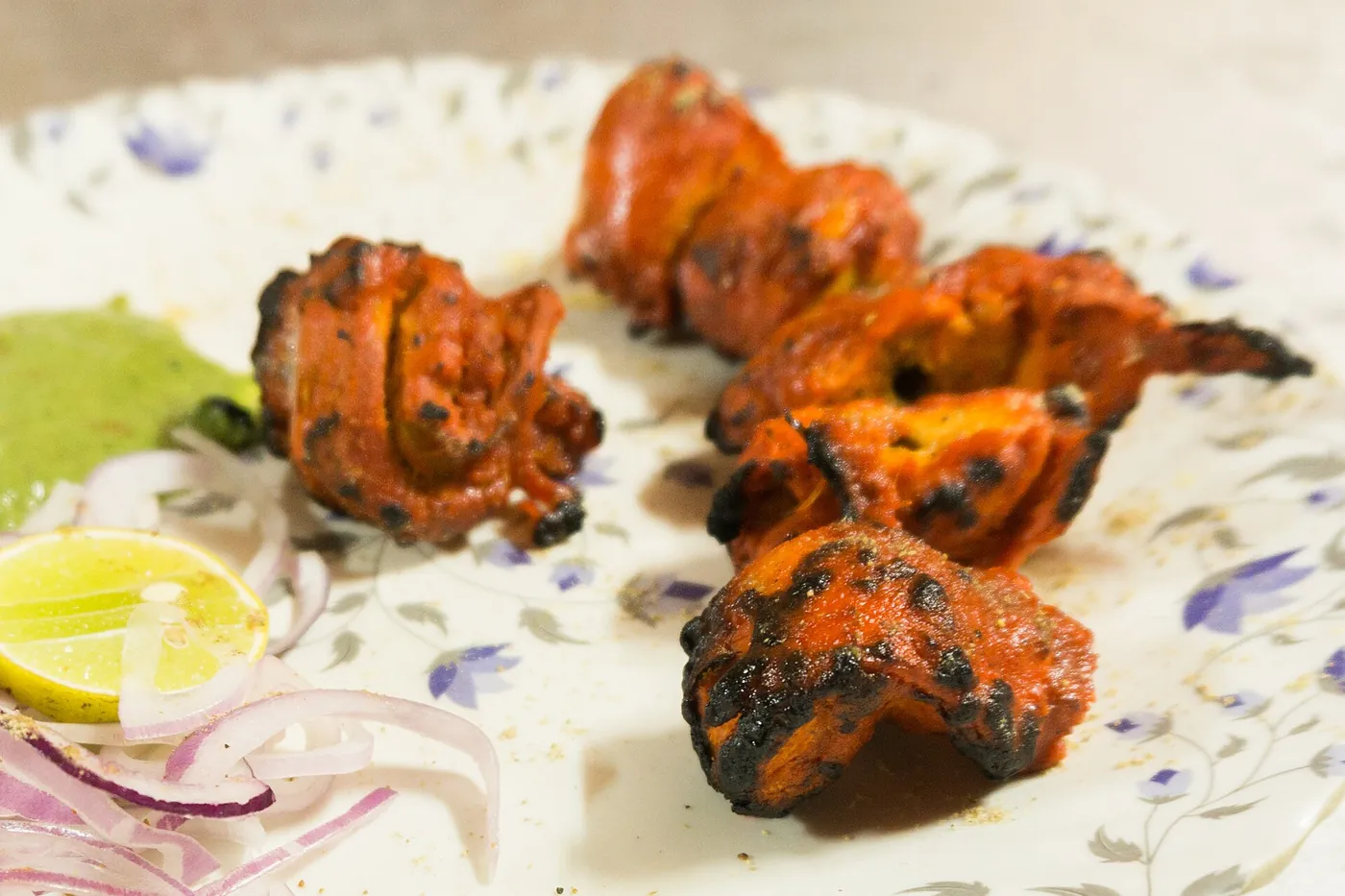
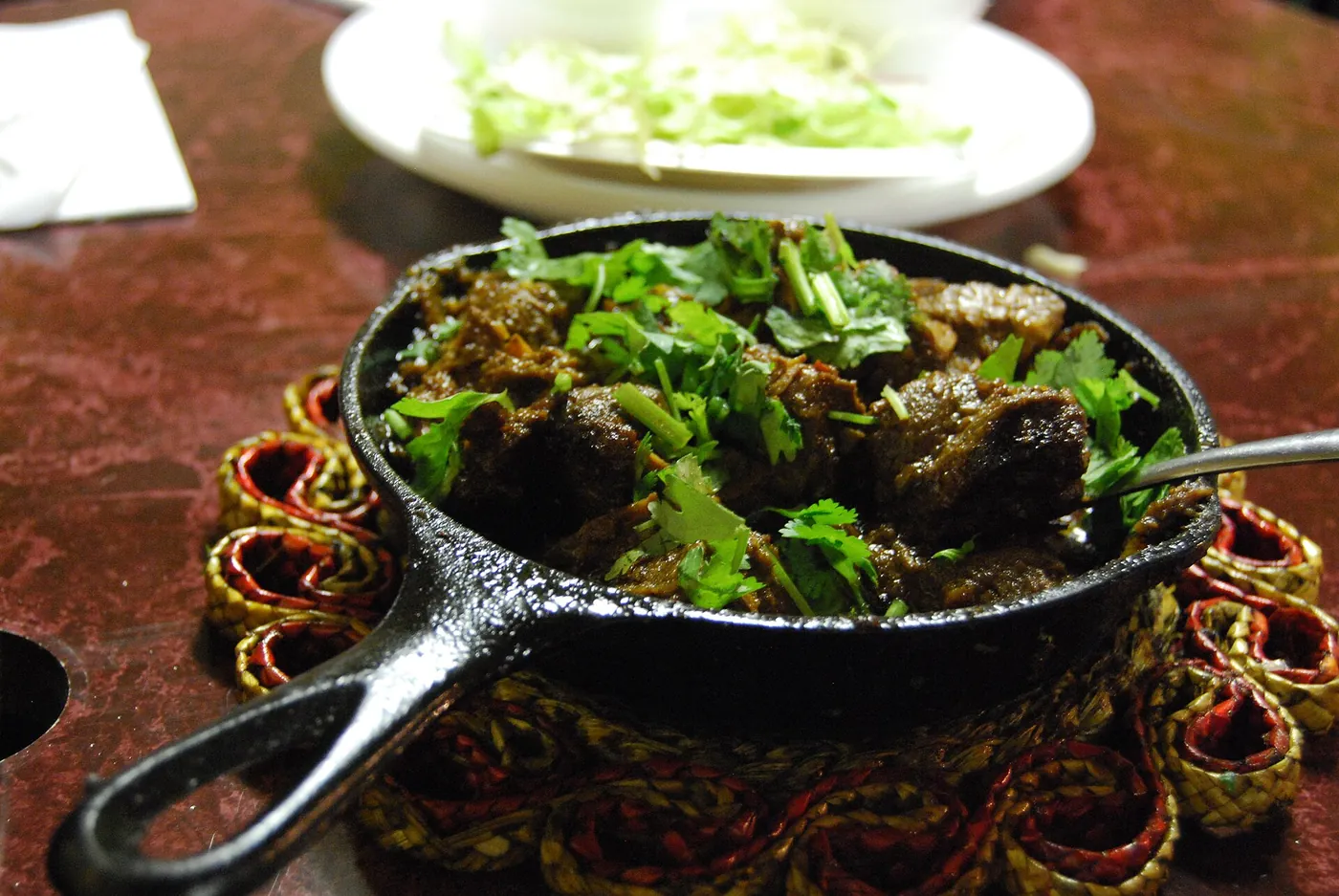
Cooking here tends towards rich, slow-cooked dishes in winter, such as saag with makki di roti, nihari and paye, and quick, high-heat karahis and grills all year round. Lahore, the provincial capital, is often called the food capital of Pakistan, and many dishes that are now eaten nationwide, from halwa puri to chicken tikka, are most closely associated with its kitchens and streets.
Signature dishes
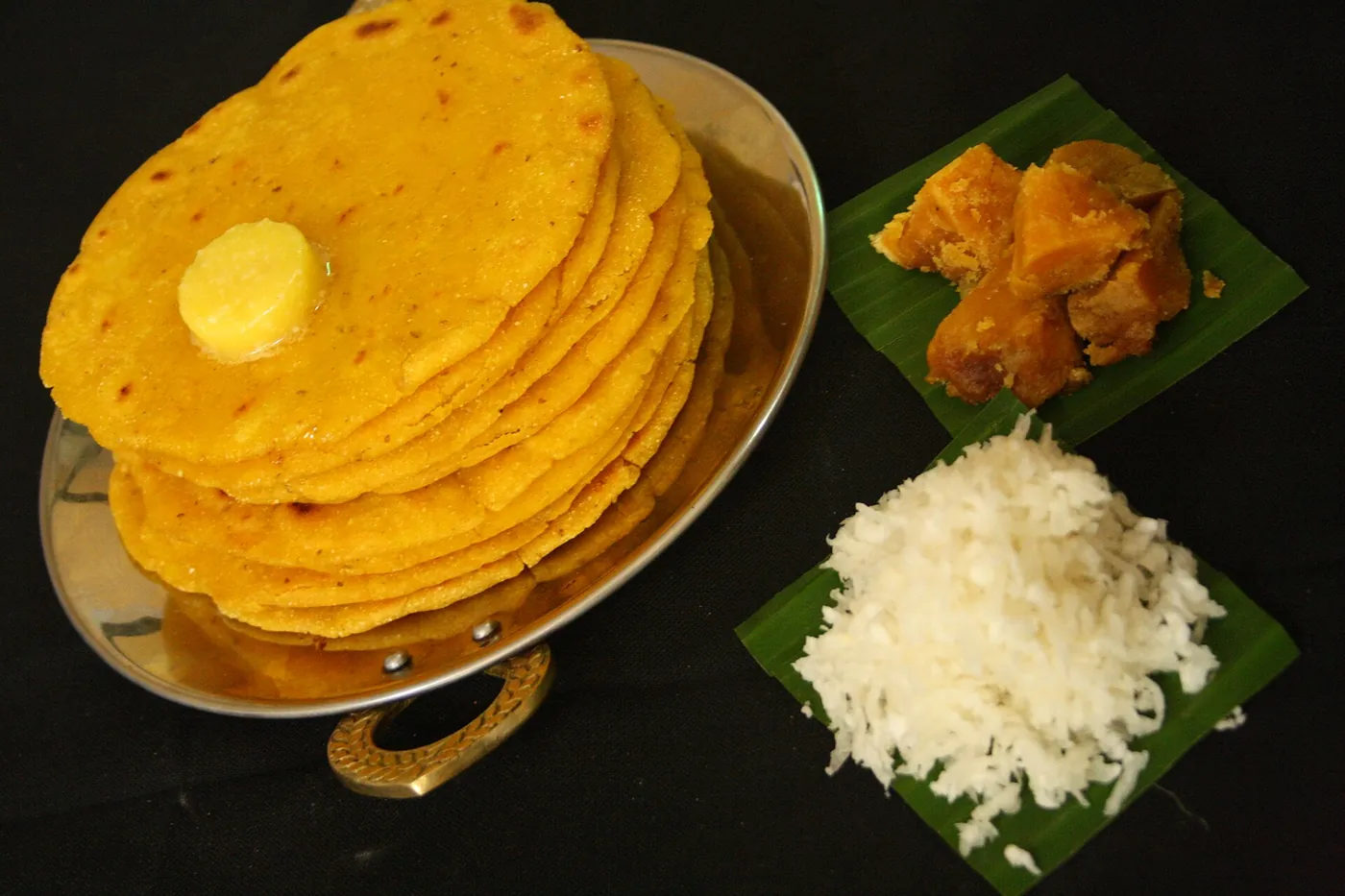
- Sarson ka Saag. Mustard greens slow-cooked down to a thick, dark purée and traditionally eaten with makki di roti (cornmeal flatbread) and a spoon of white butter.
- Lahori Chargha. A whole chicken marinated in yoghurt and spices, steamed until tender, then deep-fried to a crisp finish — a Lahore street-food classic usually shared, not portioned.
- Chana. Spiced chickpeas simmered with tomato and dried mango powder for tartness, served as a filling for kulcha or alongside puri at breakfast.
Regional ingredients
Wheat, Mustard greens (sarson), Dairy — ghee, lassi and paneer. Punjab's agricultural land makes wheat and dairy the backbone of its cooking; ghee, lassi and paneer appear across both everyday meals and festive dishes more than in Pakistan's other regions.
Traditions
Shared tandoor bread, Sunday nihari and paye culture, Elaborate wedding feasts. Punjab is Pakistan’s most populous province, and much of what is thought of abroad as Pakistani food — tandoor breads, karahi, saag, lassi, halwa puri — is Punjabi. Lahore in particular has a reputation as the country’s food capital, with food streets that stay busy late into the night.