Whole spice
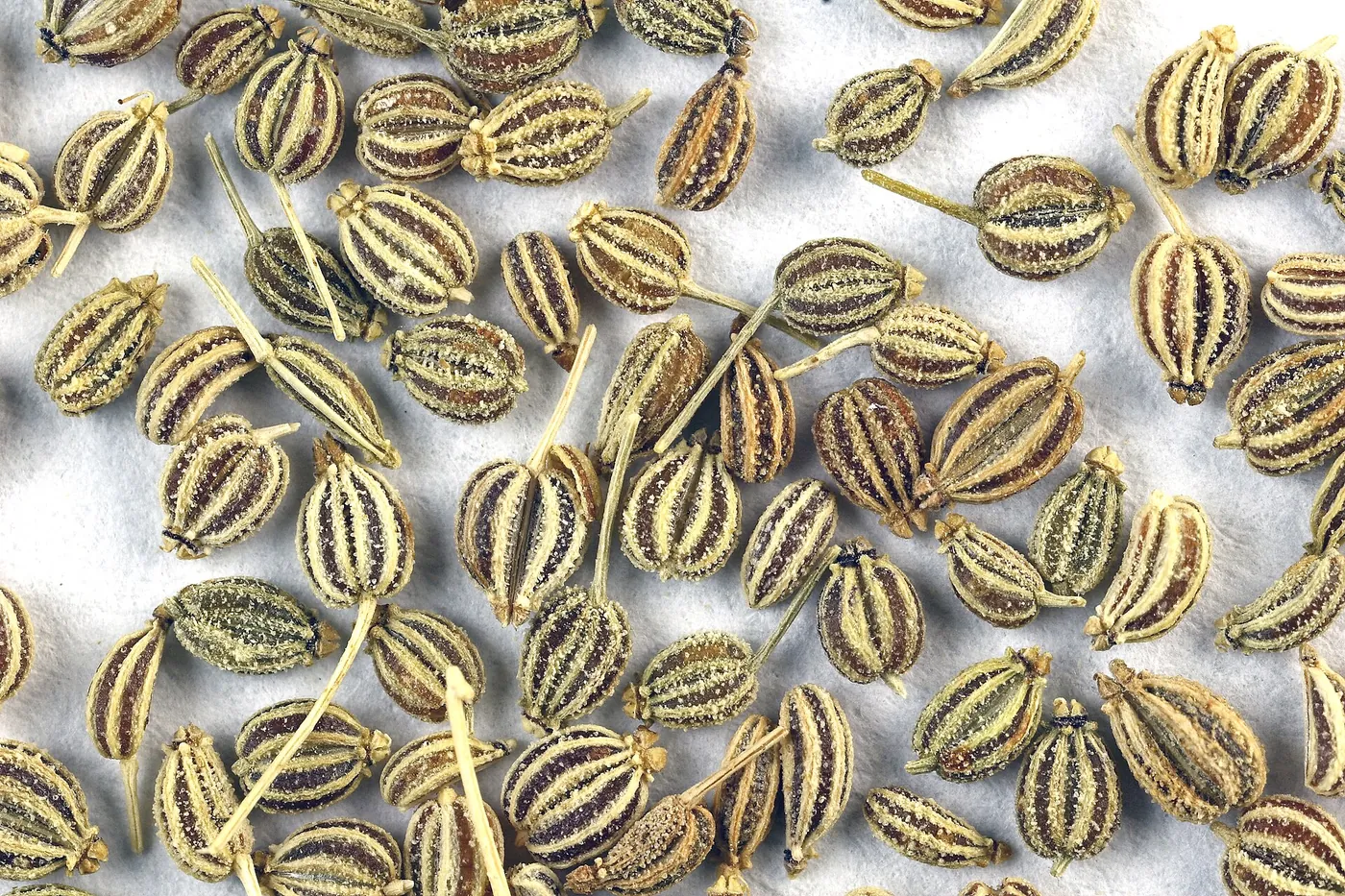
Ajwain
Ajwain (carom seeds) is the whole spice behind the sharp aroma of parathas, pakoras and tempered dals in Pakistani kitchens.
PANTRY, EXPLAINED
Clear guides to flavour, storage, substitutions and everyday use.
A Pakistani spice shelf is built mostly from whole spices: cumin, coriander, black and green cardamom, cloves, cinnamon, ajwain and kalonji, bought whole and fried in oil or ground as needed. How a spice is used matters as much as which one: the same cumin tastes quite different bloomed in a tarka, dry-roasted for raita or ground into a kebab mix.
Each guide below explains what an ingredient tastes like, how it is used in Pakistani cooking, what to look for when buying it, the closest substitutes and how to store it, along with the recipes on the site that use it.
Whole spice
Ajwain (carom seeds) is the whole spice behind the sharp aroma of parathas, pakoras and tempered dals in Pakistani kitchens.
Seed
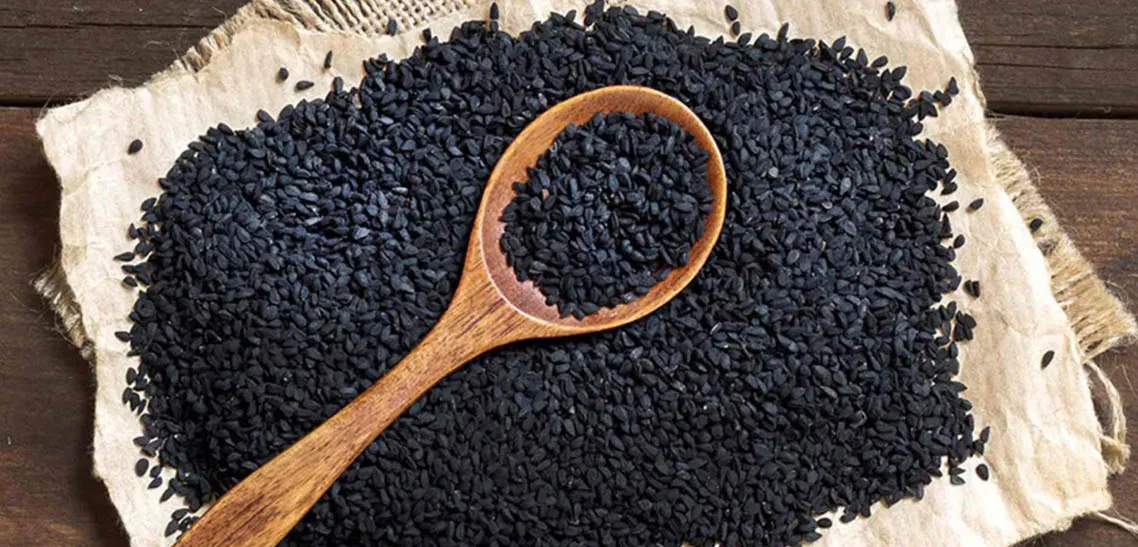
Kalonji (nigella seeds) is the small black seed scattered over naan and folded into pickles for its peppery, onion-like bite.
Whole spice
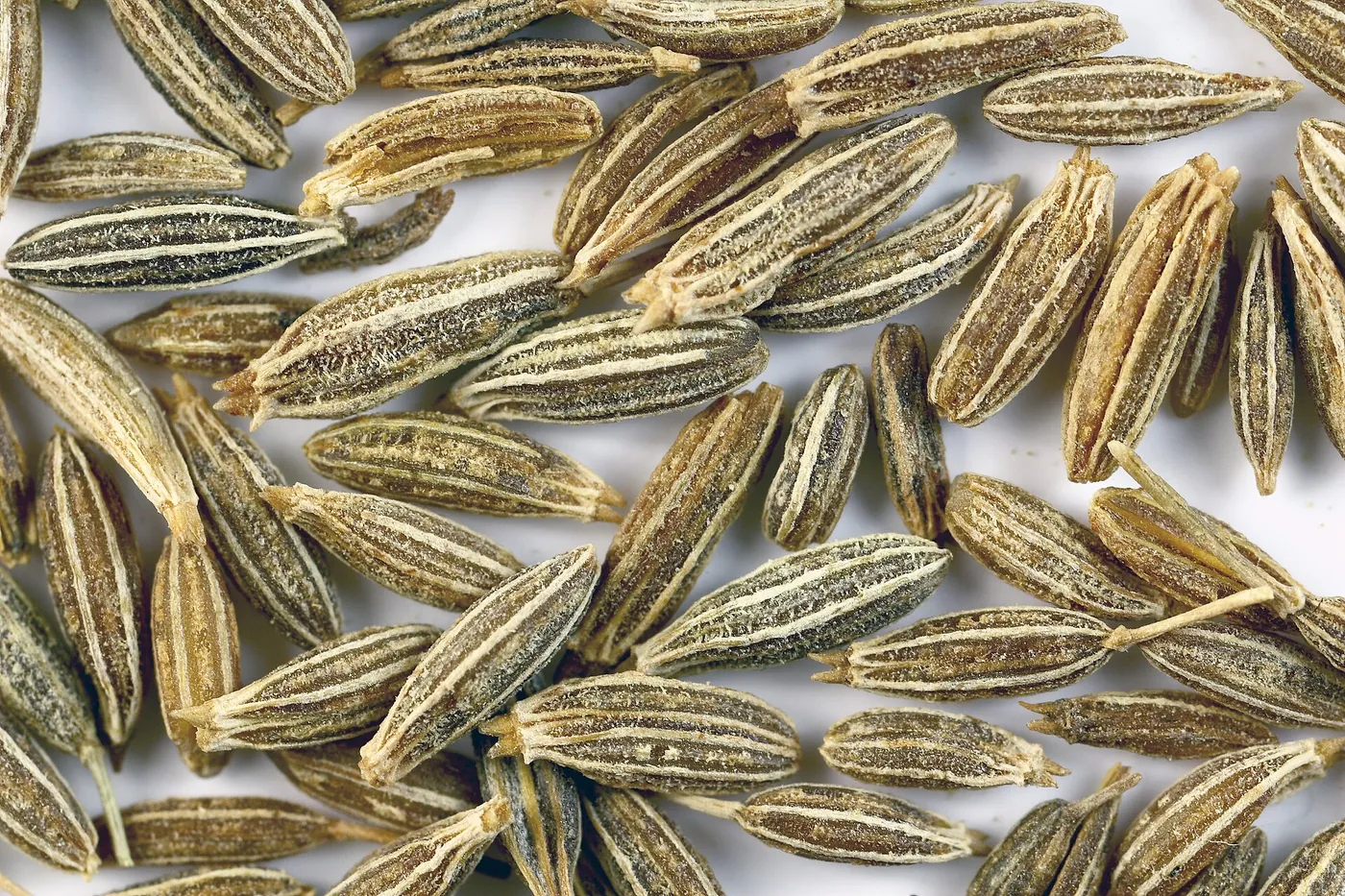
Cumin is the everyday warming spice behind Pakistani tarka, rice dishes and kebab spice blends.
Whole spice
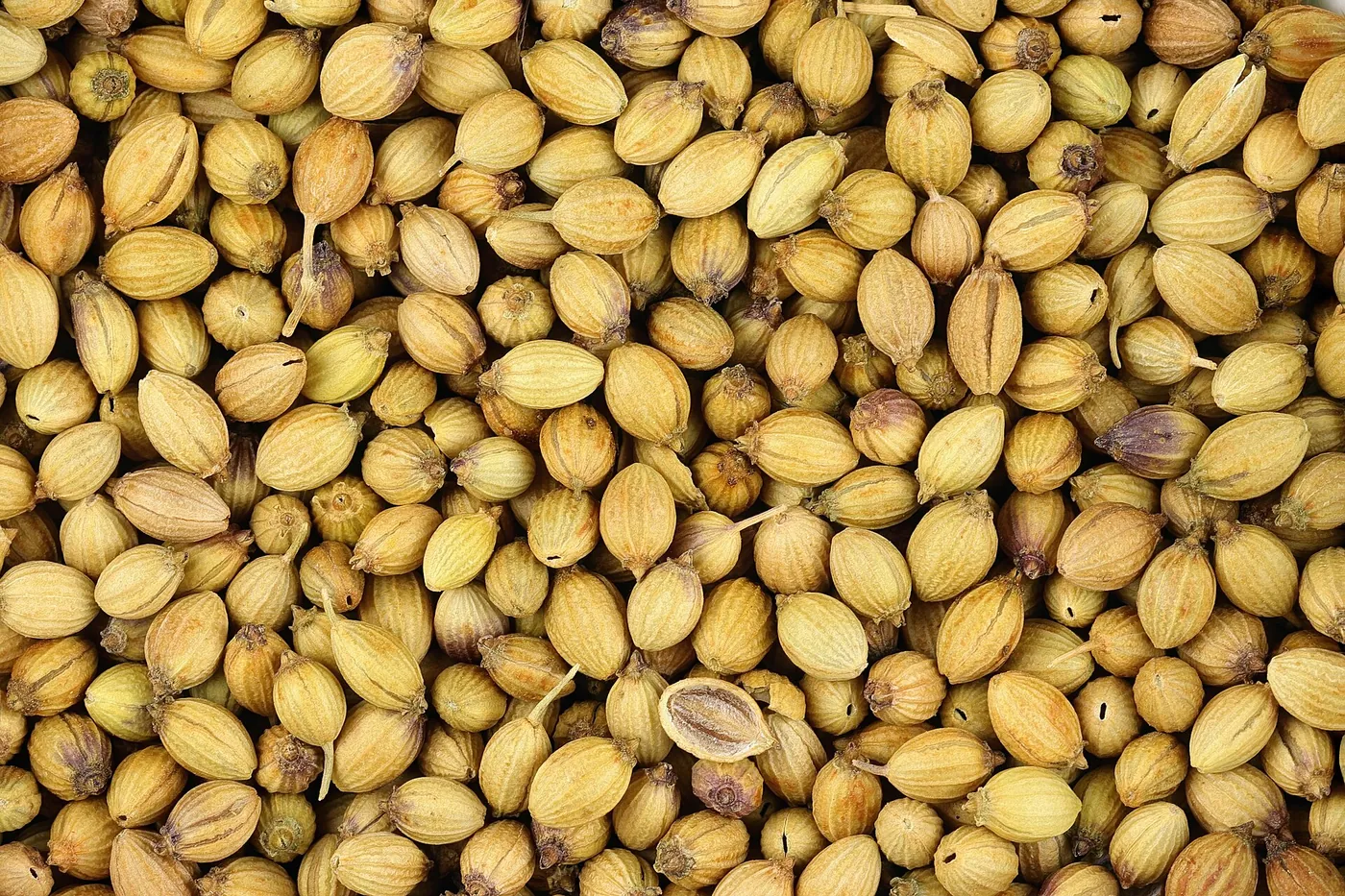
Coriander seed brings a citrusy, floral base note to Pakistani curries, karahi and chutneys — distinct from fresh coriander leaf.
Whole spice
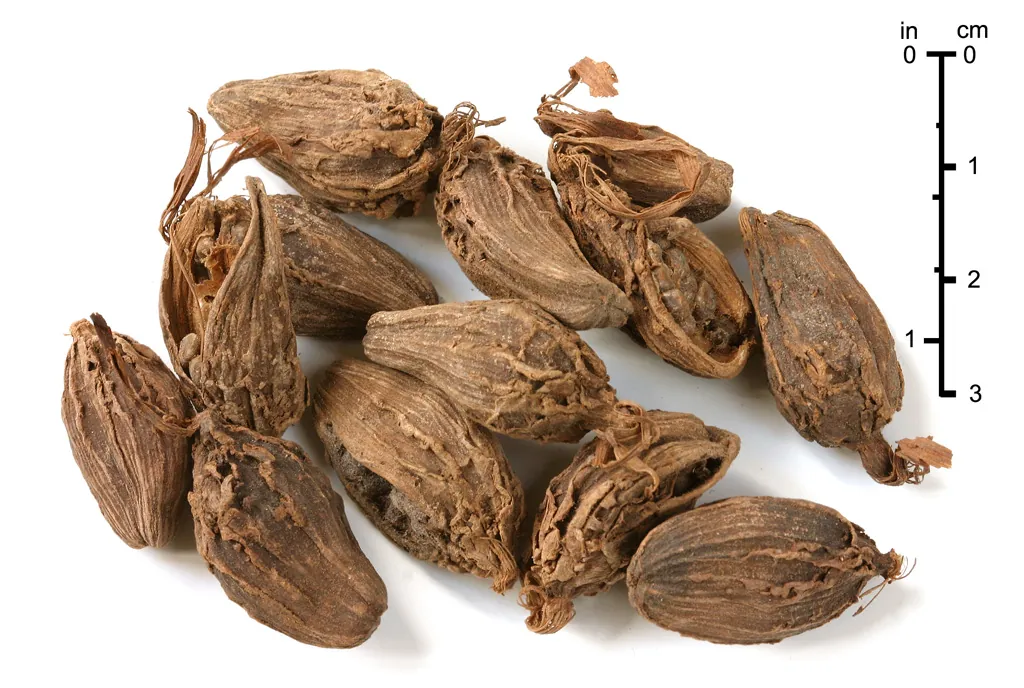
Black cardamom is the smoky whole spice behind the depth in nihari, pulao and other slow-cooked Pakistani meat dishes.
Grain
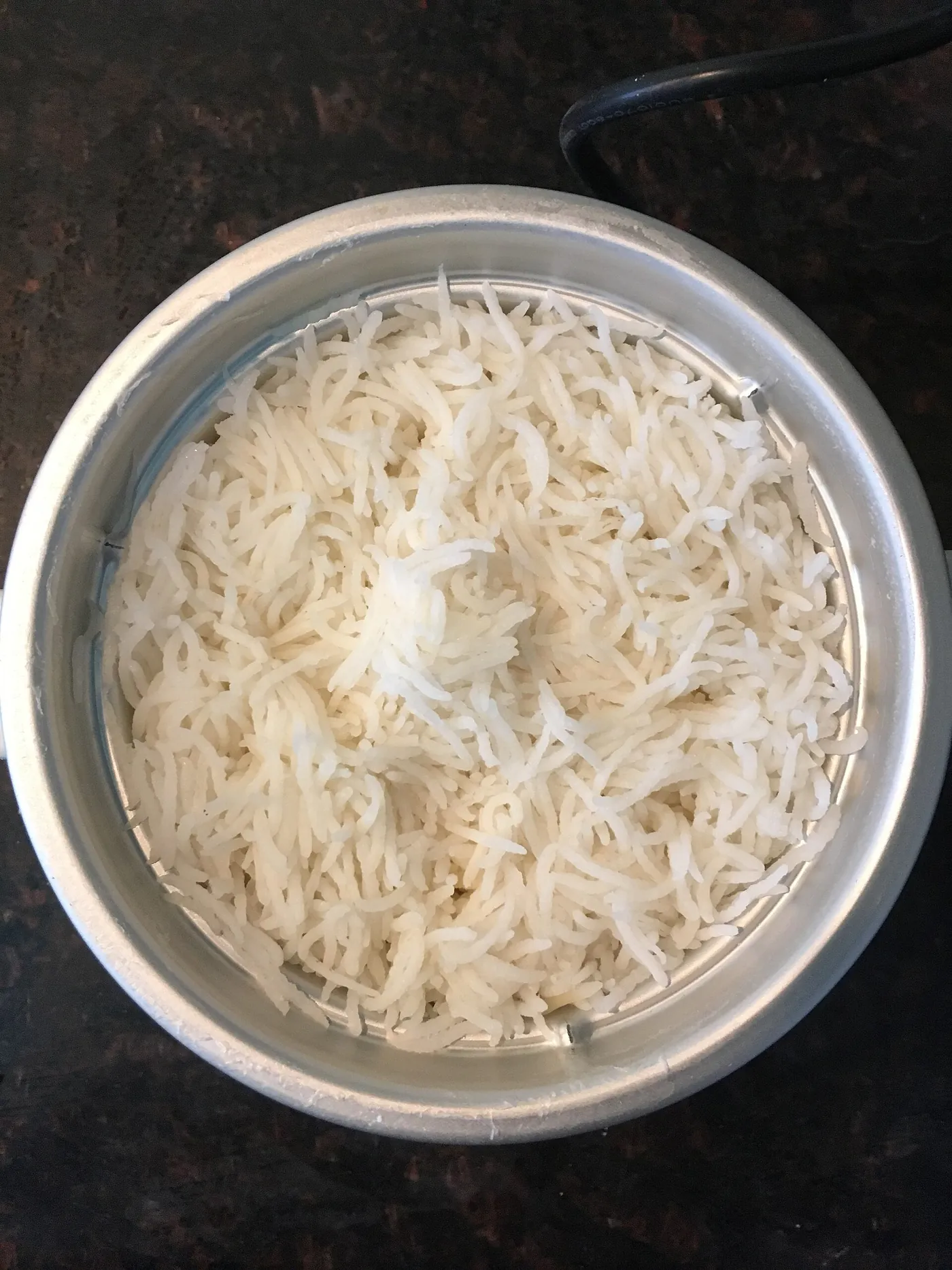
Basmati rice is the long-grain rice behind Pakistani biryani, pulao and everyday steamed rice, prized for staying separate and fluffy.