Seed
Kalonji
What is Kalonji?
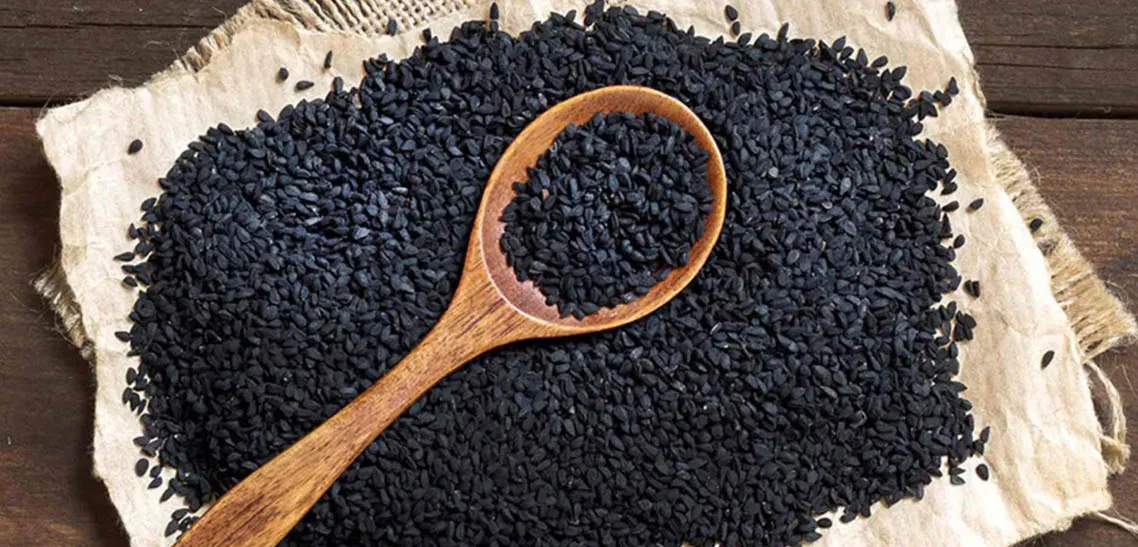
Kalonji (nigella seeds) is the small black seed scattered over naan and folded into pickles for its peppery, onion-like bite.
What does it taste like?
Peppery, onion-like and gently bitter, with a faint herbal note that becomes more pronounced once toasted or fried briefly in oil.
How Pakistanis use it
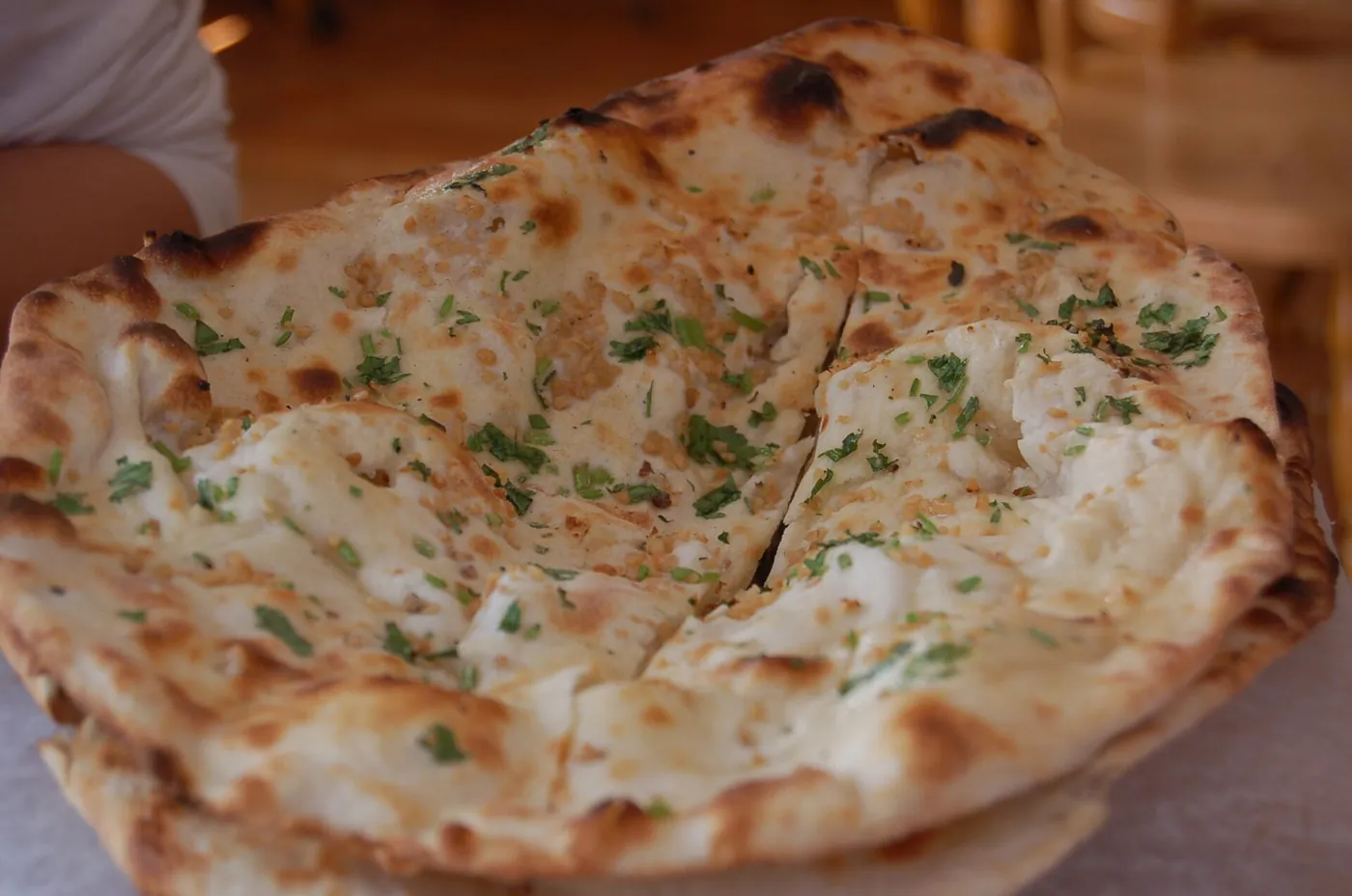
Kalonji is most visibly used as a topping on naan and other tandoor breads, where the seeds toast in the oven's heat. It's also a key spice in Pakistani pickles (achaar), where its bitterness balances the sourness of vinegar or lemon, and it appears in some vegetable dishes as part of a whole-spice tempering.
Cooking with it
Press the seeds into naan or kulcha dough just before baking so they stay on. For pickles and vegetable dishes such as aloo or karela, fry them for a few seconds in hot oil until they crackle; longer makes them bitter. Despite the “onion seed” label in some shops, kalonji is not related to onion. It is also one of the five seeds in panch phoran, the Bengali spice mix.
Where to buy it
Available at South Asian or Middle Eastern grocers, usually labelled either kalonji or nigella seeds — both names refer to the same ingredient.
Substitutes
Black sesame seeds with a pinch of cumin mimic the look and a little of the flavour, though the distinct onion-like bite of kalonji has no exact substitute.
Storage
Store whole seeds airtight for up to a year; kalonji doesn't lose aroma as quickly as ground spices do.