Grain
Basmati Rice
What is Basmati Rice?
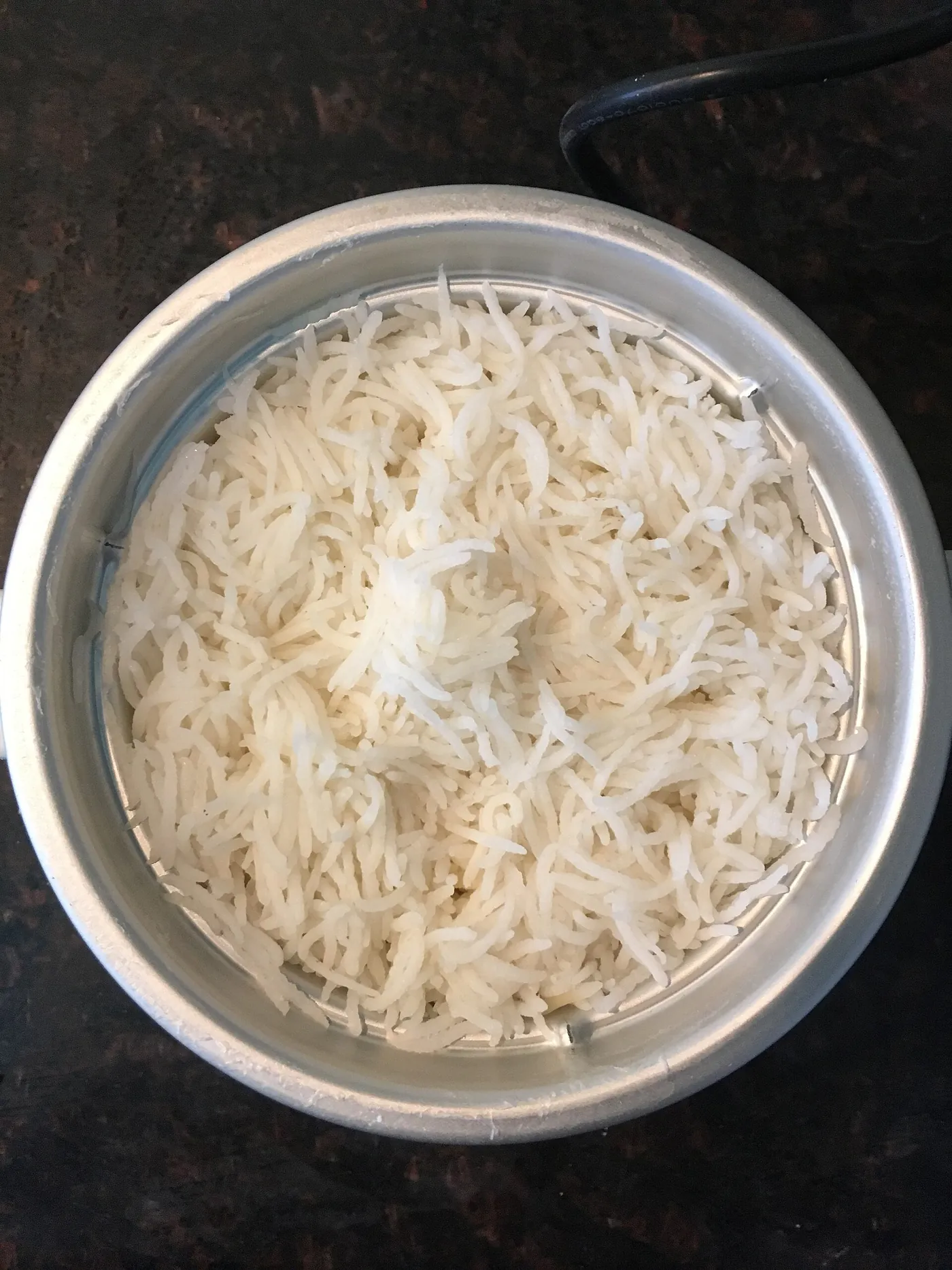
Basmati rice is the long-grain rice behind Pakistani biryani, pulao and everyday steamed rice, prized for staying separate and fluffy.
What does it taste like?
Fragrant, clean and nutty, with a distinct aroma that intensifies as it cooks — the reason it's chosen over shorter-grain rice for biryani.
How Pakistanis use it
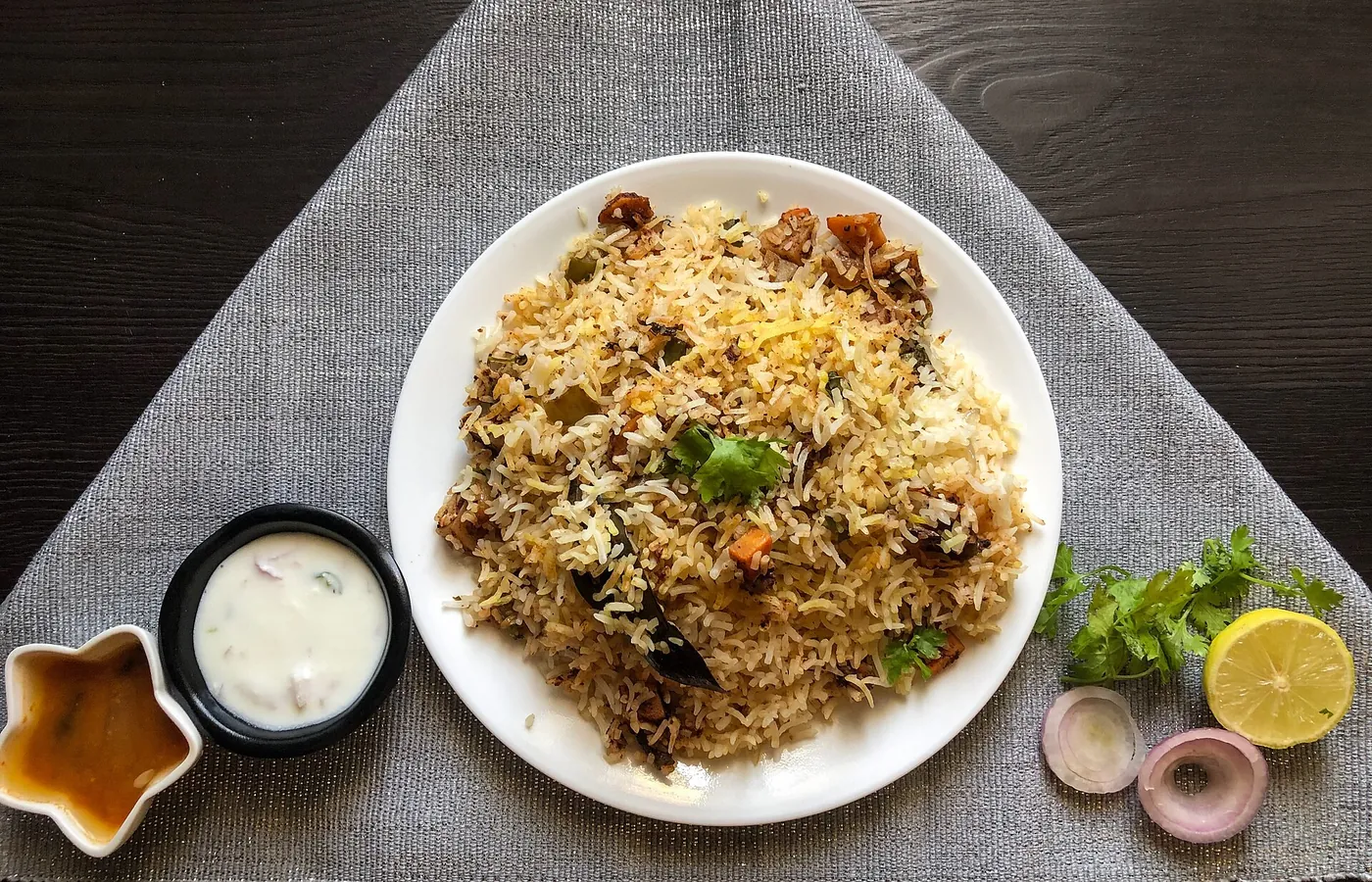
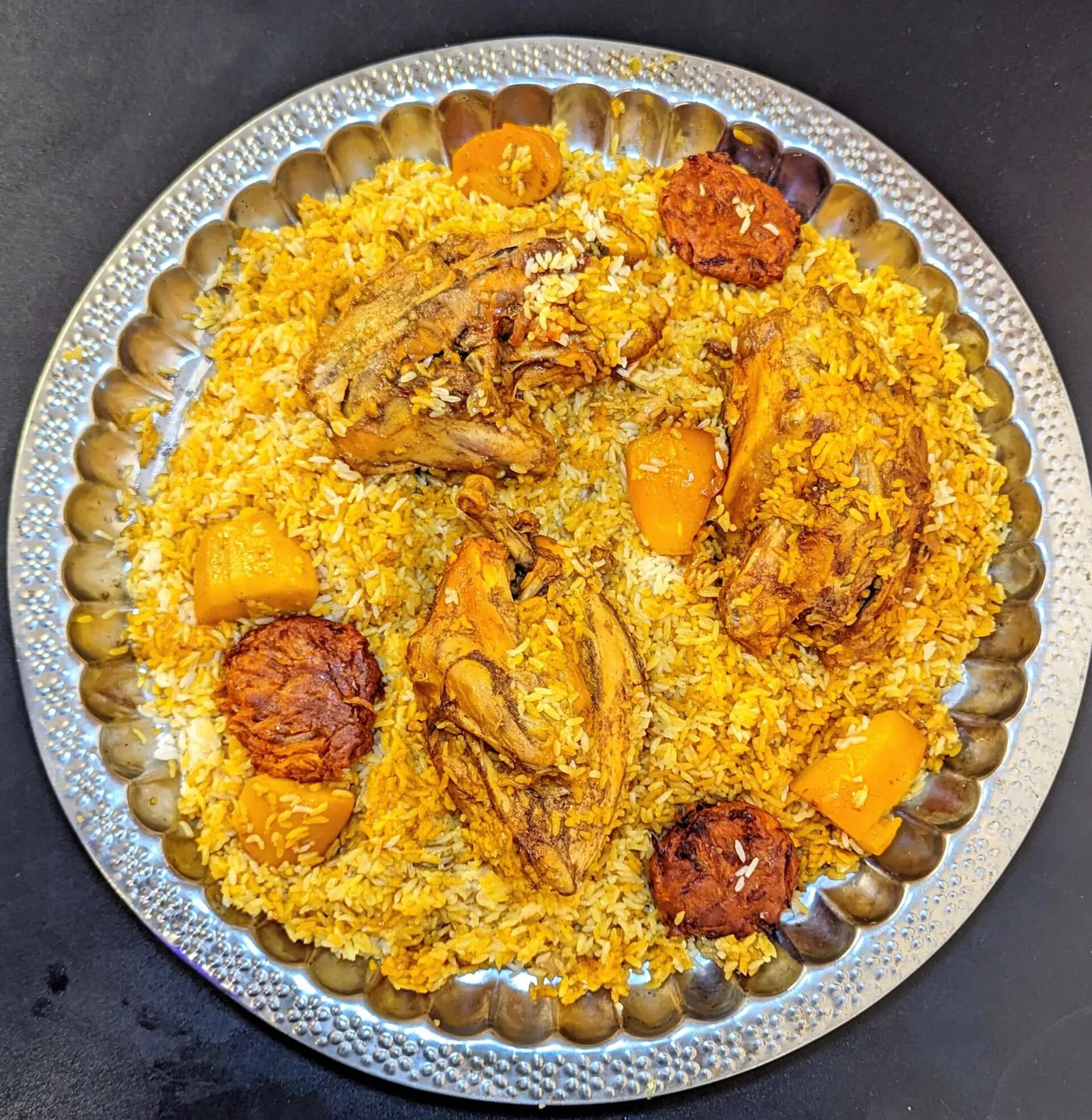
Basmati is essential to biryani and pulao, where keeping each grain separate rather than clumped matters as much as flavour. Rinsing the rice before cooking to remove surface starch, and not over-stirring once it's in the pot, are the two habits that most affect whether the final result stays fluffy.
Cooking with it
Rinse until the water runs nearly clear and soak for 20–30 minutes before cooking, so the grains lengthen rather than break. For biryani, boil it in plenty of salted water and drain at about 70% cooked; for pulao, cook it by absorption in a measured amount of stock, roughly 1.5 to 1.75 times its volume. Pakistan’s best-known basmati comes from the Kalar tract of central Punjab, around Gujranwala, Sialkot and Sheikhupura. Sella basmati, parboiled before milling, is popular for large biryani pots because it rarely breaks.
Where to buy it
Look for aged extra-long grain basmati rather than the cheapest available bag; aging improves both aroma and how well the grains hold their shape when cooked.
Substitutes
Another long-grain rice can be used with adjusted water and cooking time, but it won't have basmati's aroma or the same grain elongation on cooking.
Storage
Seal dry rice away from moisture and pests; stored this way it keeps for a long time without losing quality.