THE TARKA GUIDE
How to store and reheat Pakistani food
What keeps, what does not, and how to bring back a karahi, a biryani and a tandoori roti without drying them out.
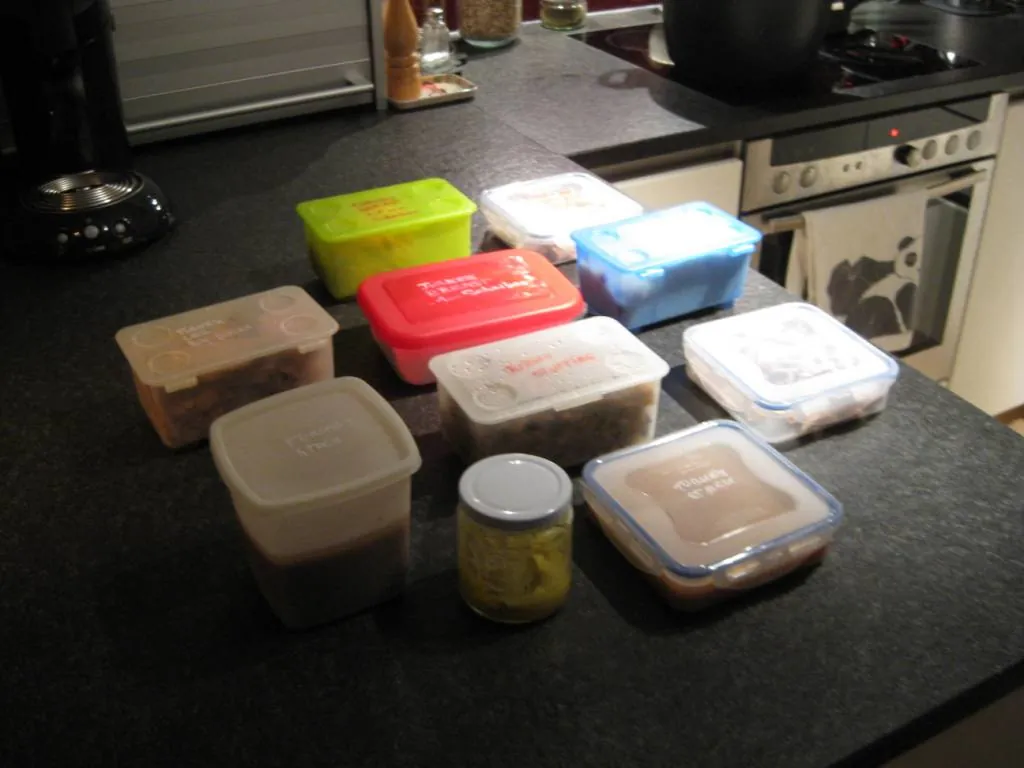
The rules that prevent most food waste
Most of the rules for storing cooked Pakistani food are the standard ones, but two of them are worth stating plainly because they cause most of the waste. Cool food quickly before it goes in the fridge, and do not leave a large pot of biryani or karahi sitting out overnight to be put away in the morning — a deep pot cools far too slowly in the middle for safe refrigeration. And date everything: a handwritten date on the container, or one memory of which batch is oldest, is the difference between using leftovers and throwing them out. Fridge leftovers should be eaten inside two to three days, which for most households means the next day or two after cooking.
How long each kind of dish keeps
Some dishes keep better than others, and the pattern is predictable. Curries, karahi and dal improve for a day or two as the flavours settle, and mutton dishes keep very well. Biryani and pulao are usable for two to three days, but the rice dries out faster than a saucy curry does. Fresh rotis and paratha are best the day they are cooked, and naan keeps a day at most. Fried snacks — samosa, pakora — are for the day they are made. Anything with yoghurt in it, including dahi puri and any raita, should be eaten within a day. Cooked vegetables in a dry sabzi keep well for two days; the same vegetables in a watery masala do not.
Tarka note: Let aroma and texture confirm the clock. Timings vary with pan width and burner strength.
Reheating a karahi or a curry
A karahi or a thick curry reheats better than almost anything else, because there is little water to lose. Put it in a pan over medium-low heat with a splash of water or stock to stop the base catching, cover it, and let it come up slowly, stirring occasionally, until it is hot all the way through. This takes five to ten minutes and produces a result that is often better than the first cooking. A microwave is faster but heats unevenly and dries the masala at the edges, so stir it halfway through and finish it on the hob if you can. There is no need to add more fat when reheating, since the oil is already in the dish.
Reheating biryani and rice without it going mushy
Rice is the case where people most often ruin it. Reheating biryani in a microwave makes the grains soft and oily and flattens all the biryani smell that came from the ghee. Add a few tablespoons of water and reheat it covered, in a pan if possible, over the lowest heat — the steam loosens the grains back apart and stops them drying further. Stir only once, gently, at the end, because the whole point of a biryani is that the grains are separate, and stirring through it with a spoon is what turns it into rice pudding. Never reheat biryani more than once.
Reviving bread, and reheating safely
Bread needs a different approach entirely. A dry tandoori roti or naan should be warmed briefly in a dry pan or wrapped in a cloth and put in a very hot oven for a few minutes, which steams it back to soft rather than crisping it further. Microwaving bread on its own makes it tough and leathery within minutes. For food safety, reheat leftovers until they are steaming hot throughout rather than merely warm, and be careful with reheating a whole pot of rice: Bacillus cereus spores survive cooking and their toxins are not destroyed by reheating, so rice should be cooled fast, kept cold, and reheated exactly once.
Questions cooks ask about this
How long do Pakistani leftovers keep in the fridge?
Two to three days for curries, karahi and dal, which often taste better the next day. Biryani and rice two to three days but dry out faster, fresh bread one day at most, and fried snacks like samosa and pakora are for the day they are made.
How do I reheat biryani without it turning mushy?
Add a few tablespoons of water and reheat it covered over the lowest heat, ideally in a pan rather than a microwave. The steam relaxes the grains back apart. Stir once gently at the end rather than through it, and never reheat biryani more than once.
Can I reheat tandoori naan?
Yes, but warm it rather than crisping it. A few seconds in a dry pan, or wrapped in a cloth in a hot oven, steams it back to soft. Microwaving it uncovered will make it tough and leathery within a few minutes.