Golgappay: one bite, all at once
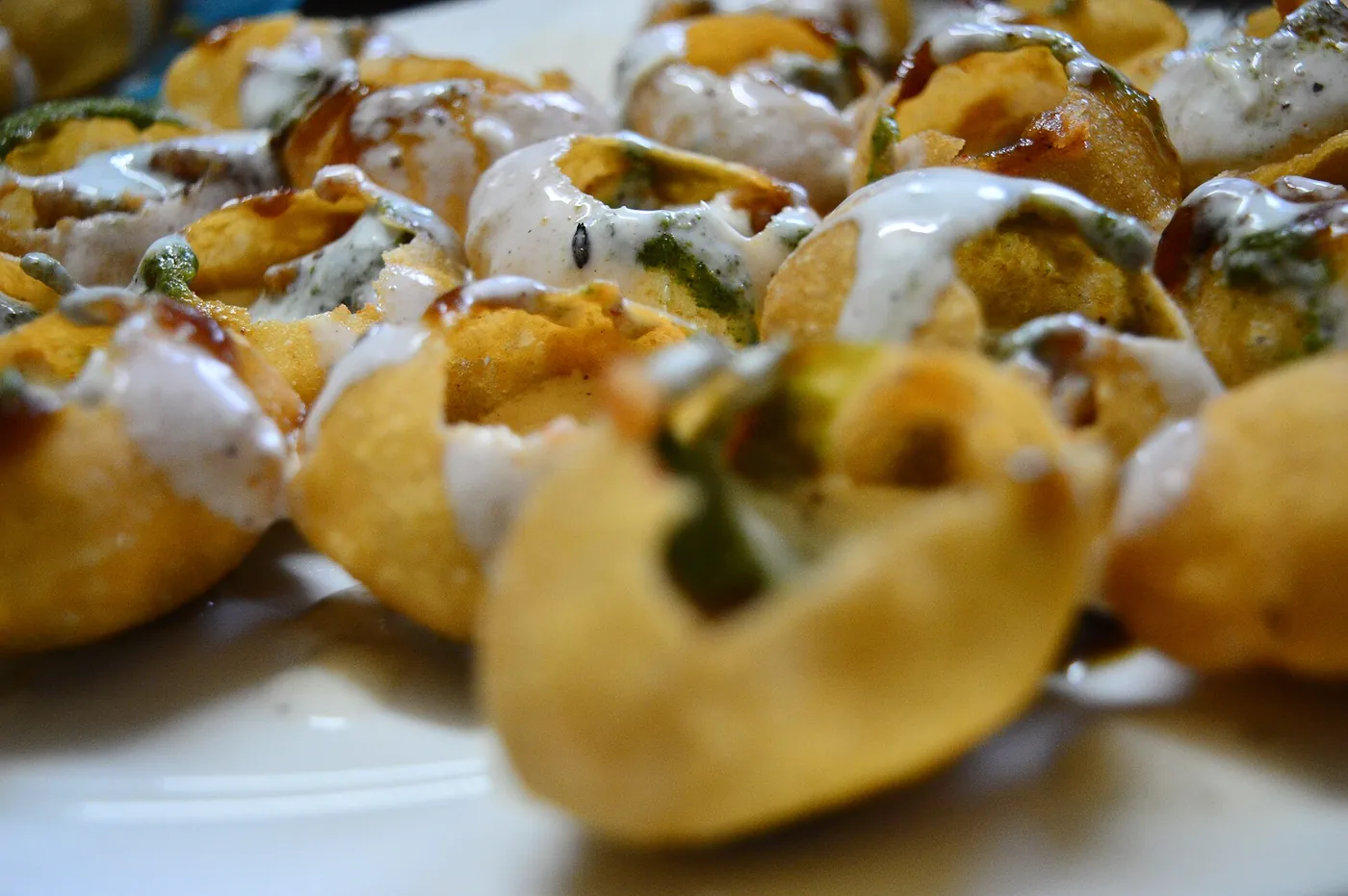
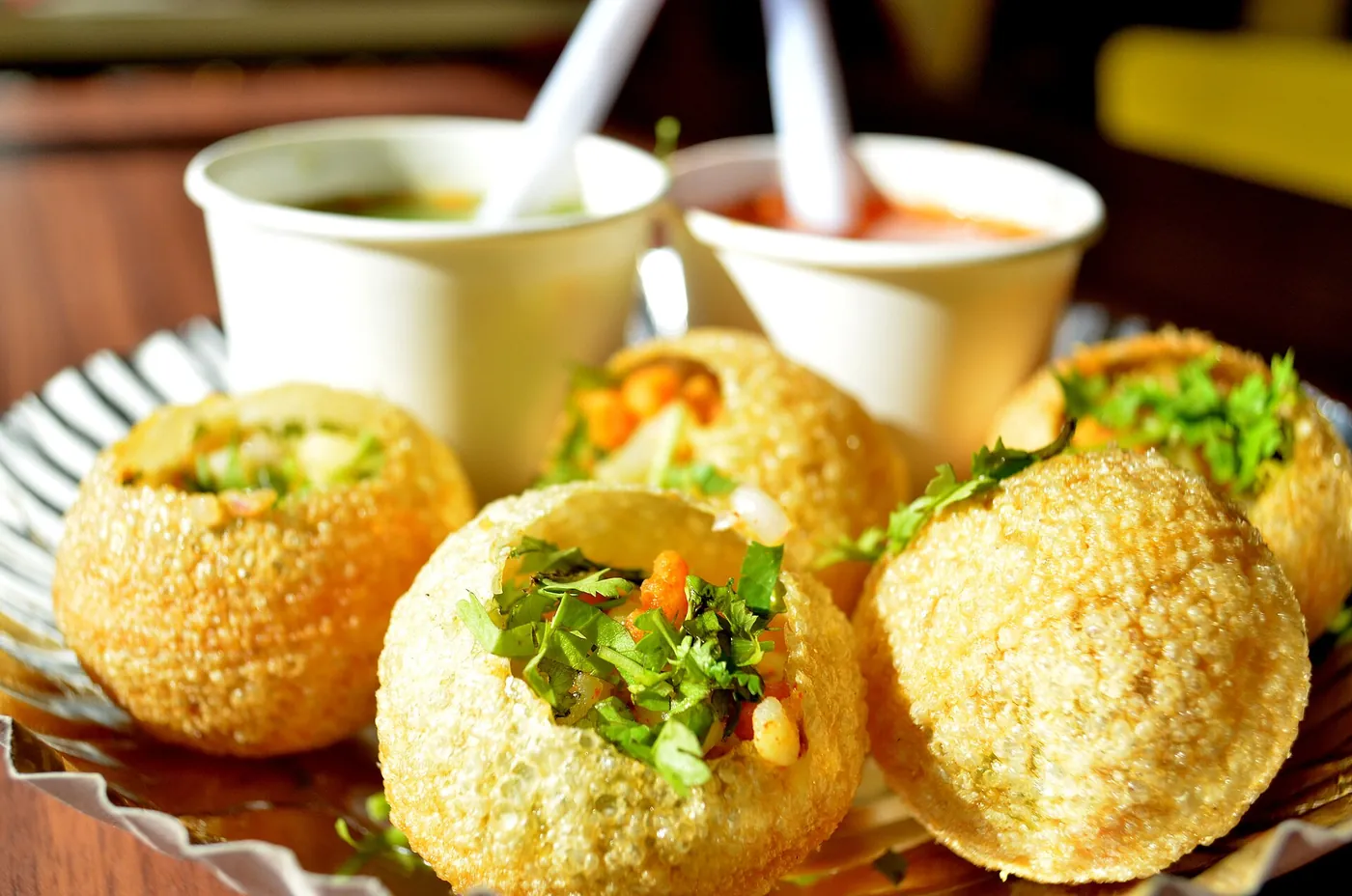
Golgappay: hollow shells filled with potato and chickpeas, then dipped in chilled, sour, mint-and-cumin water and eaten in one bite.
Most of the work in pani puri is the pani, the spiced water. It needs to be sour, salty and very cold, and it improves after an hour in the fridge as the flavours blend.
What is pani puri?
Pani puri, called golgappay in Pakistan and puchka in parts of India, are small, hollow fried shells filled with potato and chickpeas and then with tangy, spiced water, eaten whole in one bite. Street sellers fill each one to order and hand it straight over.
Ingredient notes and substitutions
Black salt (kala namak) gives the pani its distinctive sulphurous savour and is worth seeking out. Roast cumin seeds in a dry pan and grind them for the best flavour. The balance of sour, salty, sweet and hot is personal, so taste the pani and adjust it before chilling.
Common mistakes
Warm pani is flat; chill it for at least an hour. Filling shells in advance makes them soggy. Each person should fill and eat their own, one at a time.
What to serve with it
Set out the shells, filling and a jug of pani on the table and let everyone assemble their own. It is a snack for sharing, not a plated dish.
Storage and reheating
The pani keeps for two days in the fridge and the flavour deepens. Store the shells in an airtight container; if they lose their crispness, warm them in a 150°C oven for 3–4 minutes and let them cool.
Frequently asked questions
What is the difference between pani puri and golgappay?
They are the same thing. Golgappay is the usual name in Pakistan and North India; pani puri is common in western India, and puchka in eastern India.
Can I make the pani ahead?
Yes, and it is better for it. Make it up to a day ahead and keep it in the fridge; stir well before serving as the spices settle.