THE TARKA GUIDE
How to balance spice in a curry
Heat, sourness, salt, fat and sweetness are five dials. Turning the wrong one is why a curry tastes flat even when it is not hot.
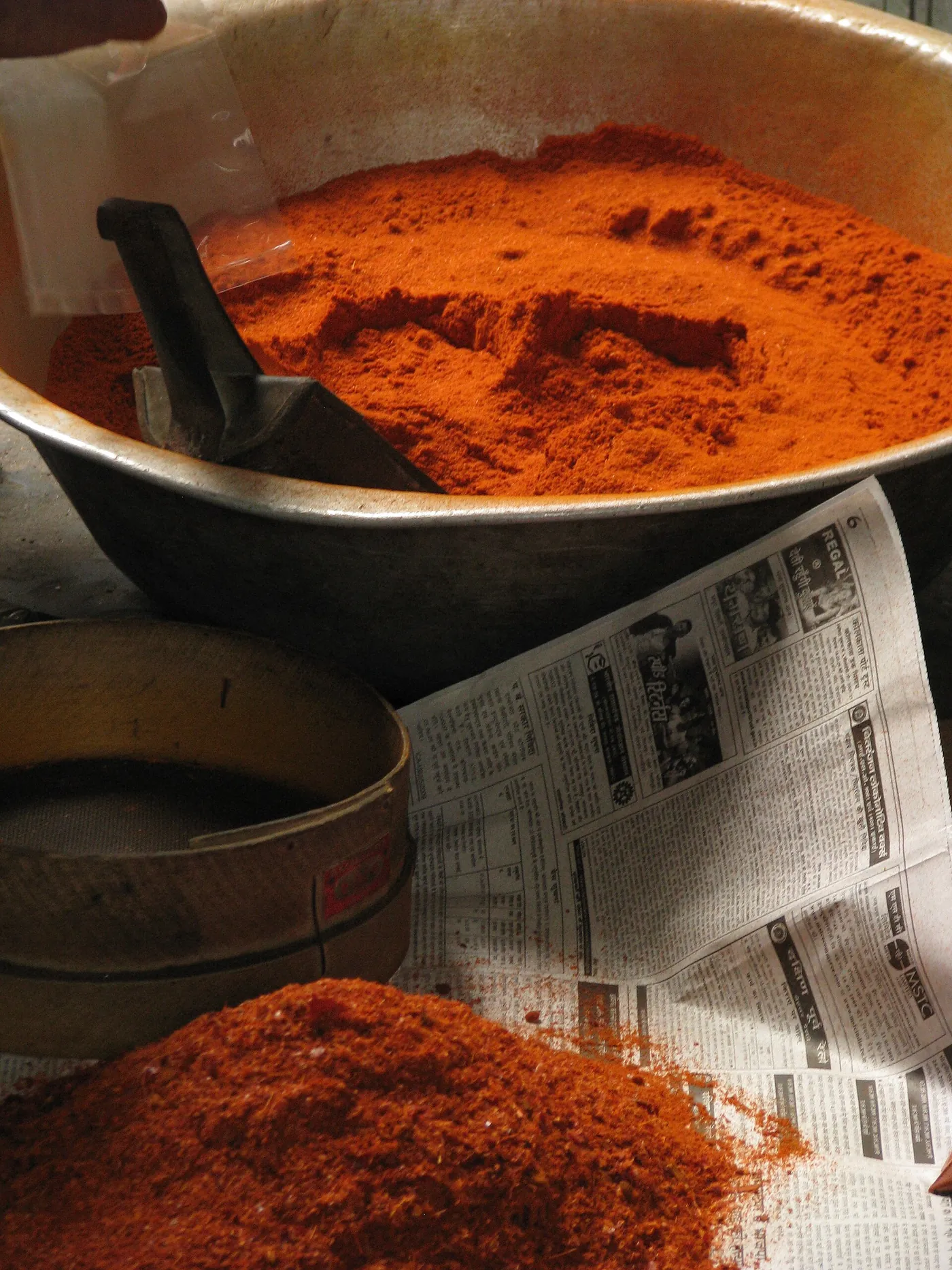
A curry is not one thing, it is five
It helps to stop treating a curry as a single thing that is either good or badly spiced. A finished dish is really five balances moving at once: heat, sourness, salt, fat and a small amount of sweetness. If one of them is out, the dish reads as flat no matter how much chilli you add, because the chilli is only one dial. The most common failure in a home kitchen is a dish that is hot and salty and rich but has no acid in it at all — that combination tastes heavy and dull, and it is usually mistaken for needing more spice rather than lemon.
Why hot does not mean strong
Heat and aroma are separate. The burn of chilli comes from capsaicin, which builds over time and is not the same thing as flavour. The aroma comes from volatile oils in cumin, coriander, ginger, garlic and the whole spices, and heat destroys them fast. This is why a curry that tastes flat is often a curry that has been simmered too long: the chilli is stronger and the fragrance is gone. Toast your spices in dry heat before they go anywhere near liquid, and add them late enough that they spend only a few minutes cooking, which is the reasoning behind bhuna in How to properly brown onions.
Tarka note: Let aroma and texture confirm the clock. Timings vary with pan width and burner strength.
Sourness is the most underused correction
Sourness is the correction Pakistani home cooking reaches for constantly, and it is the one outside cooks tend to leave out. Lemon, tamarind, dried mango powder, pomegranate molasses and the yoghurt whisked into a finished dish all do the same job. The rule is to add acid in two stages: some at the start, to season the masala while it cooks, and some at the end, because the last addition is what lifts the finished dish. Taste for sourness before reaching for more salt. If a curry tastes like it needs salt but adding salt makes it worse, it needs acid, and once the acid is right the salt usually falls into place without any adjustment.
Fat, salt and sweetness at the end
Fat, salt and sweetness are finishing moves rather than cooking moves. A knob of butter or a spoon of cream stirred in off the heat does something no amount of simmering achieves: it carries aroma compounds that are only soluble in fat, which is why a dairy-based gravy tastes rounder than the identical gravy without it. Salt should be added in layers, since much of it is lost to long cooking, and always tasted for. Sweetness is the most delicate of the five and the easiest to overshoot: a teaspoon of sugar or a handful of dried fruit in a dal or a karahi rounds out the harshness of the spice, but a dessert-sweet gravy is worse than one that is not sweet at all.
Tasting properly, and fixing a curry that is already cooked
Taste at every stage, and taste the actual dish rather than the pot. Put a spoonful on a clean spoon and let it cool; a hot sauce tastes blander than it will once it reaches the table, which is the most common reason a cook adds salt at the end and overshoots. If a curry is already cooked and wrong, the corrections are quick and ordered. Flat and dull: add acid, then taste again. Harsh and lingering: add fat off the heat, which mutes the burn rather than fighting it. Thin: reduce it. Thick and pasty: loosen with a little hot stock or water, not cream. Bland despite everything: salt, checked last and in small amounts.
Questions cooks ask about this
My curry is bland but not hot. What is missing?
Almost always acid. Add a squeeze of lemon or a spoon of tamarind paste off the heat, taste, and only then consider more salt. A curry that is hot, salty and rich but flat is missing sourness, not chilli.
How do I make a curry less hot without diluting it?
Add dairy or fat off the heat — yoghurt, cream or a knob of butter. Fat carries aroma and softens capsaicin, so it rounds the dish without thinning it the way extra stock or water would. Adding more dairy mid-cook can also split the sauce, so take it off the heat first.
Should I add sugar to a curry?
A small amount, and usually dried fruit, dried mango powder or a little jaggery rather than plain sugar. It exists to round out harsh spice, not to make the dish sweet. If you find yourself wanting more than a teaspoon, the dish probably needs acid instead.