THE TARKA GUIDE
How to make chutneys and salans
The four chutneys that turn a plate into chaat, how to balance a sour one, and why a salan keeps for weeks when a chutney does not.
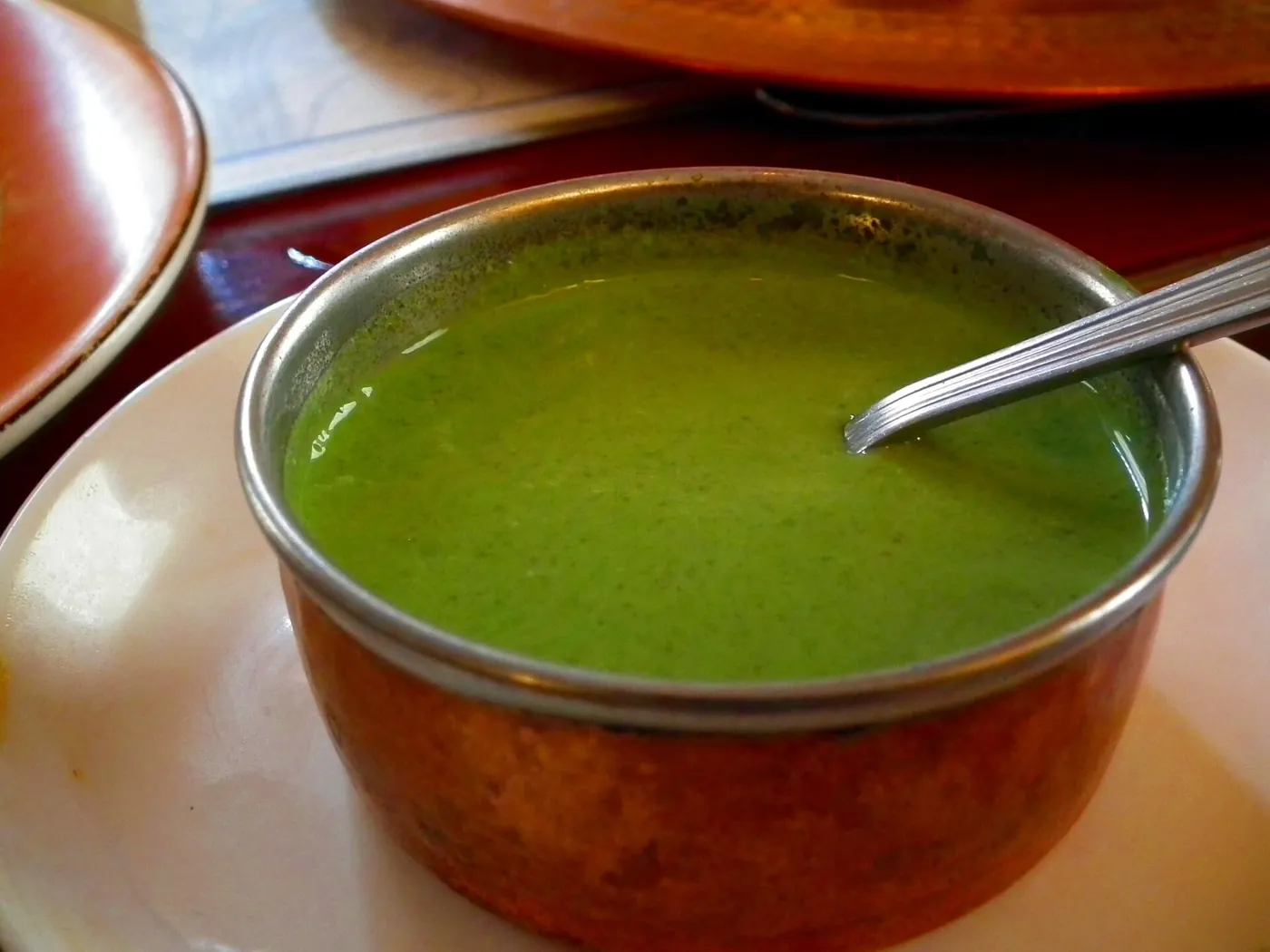
Chutney, salsa and salan are not the same thing
Three related things get called chutney in Pakistani kitchens, and separating them removes most of the confusion. Fresh chutney is raw and green, made from coriander, mint, green chilli, ginger and lemon, and eaten the same day. Salsa is the cooked, chunky relative, made with tomatoes and onion, and keeps a few days in the fridge. Chutney powder is the dried, concentrated form, made by dehydrating fresh chutney until it is brittle and then grinding it to a powder, which is a different flavour profile entirely because the fresh, green character is cooked out of it. A salan is a fourth category again: a long-cooked, oily, pickle-like condiment meant to keep for weeks and to cut through rich food.
The balance acid, sweet, salt and heat
The balance is the same for all of them, and it is a four-way one. Every chutney needs acid — lemon for fresh, tamarind for sour pickles, vinegar for some pickles. It needs salt, which is what pulls the other three into balance. It needs a sweet note, usually from sugar, jaggery, dates or dried fruit, which is what stops an chutney from being an exercise in acid. And it needs heat. The common mistake is a chutney that is only hot and sour with nothing else, which reads as aggressive rather than refreshing. Taste it against something bland, like a plain biscuit or a piece of potato, because a chutney judged on its own will always taste stronger than it is on a plate.
Tarka note: Let aroma and texture confirm the clock. Timings vary with pan width and burner strength.
Fresh chutneys, made to be eaten today
For a fresh coriander and mint chutney, blitz a large bunch of each with green chillies, ginger, garlic and a little cumin, then loosen with salt and lemon juice rather than water, and let it stand for an hour before serving so the flavour settles and the raw onion edge disappears. Pounded in a mortar rather than blended, the texture is better and the flavour is rounder. Fresh chutney keeps three days refrigerated with a thin film of oil on the surface to stop it oxidising, but it dulls quickly, so make it in small quantities. A chaat plate needs three chutneys on it at once — usually a sweet tamarind, a sour amchur or imli, and a mint-coriander — and their contrast is the entire point.
Cooked chutneys and dried chutney powder
Cooked chutneys and chutney powder deserve their own section because they solve a storage problem. A cooked tomato chutney simmered with sugar and spice until it is thick and dark will keep a month refrigerated and is the base for most commercial-style chutneys, and the same mixture spread thin on a tray and dried in the sun or a low oven becomes the powder sold in jars. Powder is used differently from fresh chutney: a pinch stirred into a dal, a bhuna masala or a mayonnaise gives background flavour without the fresh, herby quality, and it is an entirely legitimate store-cupboard shortcut as long as you are not expecting a fresh chutney.
Salan: cooked, long-keeping condiments
A salan is cooked much further and keeps far longer, which is why it appears in a restaurant rather than a home fridge. The classic versions are pomegranate, mango and mixed achar, where the fruit is cooked down in oil with spices until the mixture is dark, oily and intensely sour-sweet, and it will sit in the fridge for weeks and improve with age. Pickles and achar work the same way, relying on oil to seal out air and on salt and acid to make the fruit unreceptive to spoilage. When cooking any of these, use enough oil to completely cover the mixture — the oil is not incidental, it is the preservation mechanism — and store it in a clean dry jar with no water introduced, or it will spoil.
Questions cooks ask about this
Why does my chutney taste too sour?
It is unbalanced rather than too sour. Add salt and a sweet note — sugar, jaggery or a sweetening fruit — and taste again. Sourness on its own is hard to eat; it is the salt and sweet that make it refreshing.
How long does fresh coriander chutney keep?
Three days refrigerated with a thin film of oil on the surface. Beyond that the colour dulls and the fresh herbal character goes, even though it stays safe. It is best used within a day for the brightest flavour.
What is a salan and how is it different from chutney?
A salan is a cooked, oily, pickle-like condiment such as pomegranate or mango achar, cooked down until it keeps for weeks. A chutney is made to be eaten within days. Salan relies on oil and acid for preservation; a fresh chutney does not.