A dessert in a glass
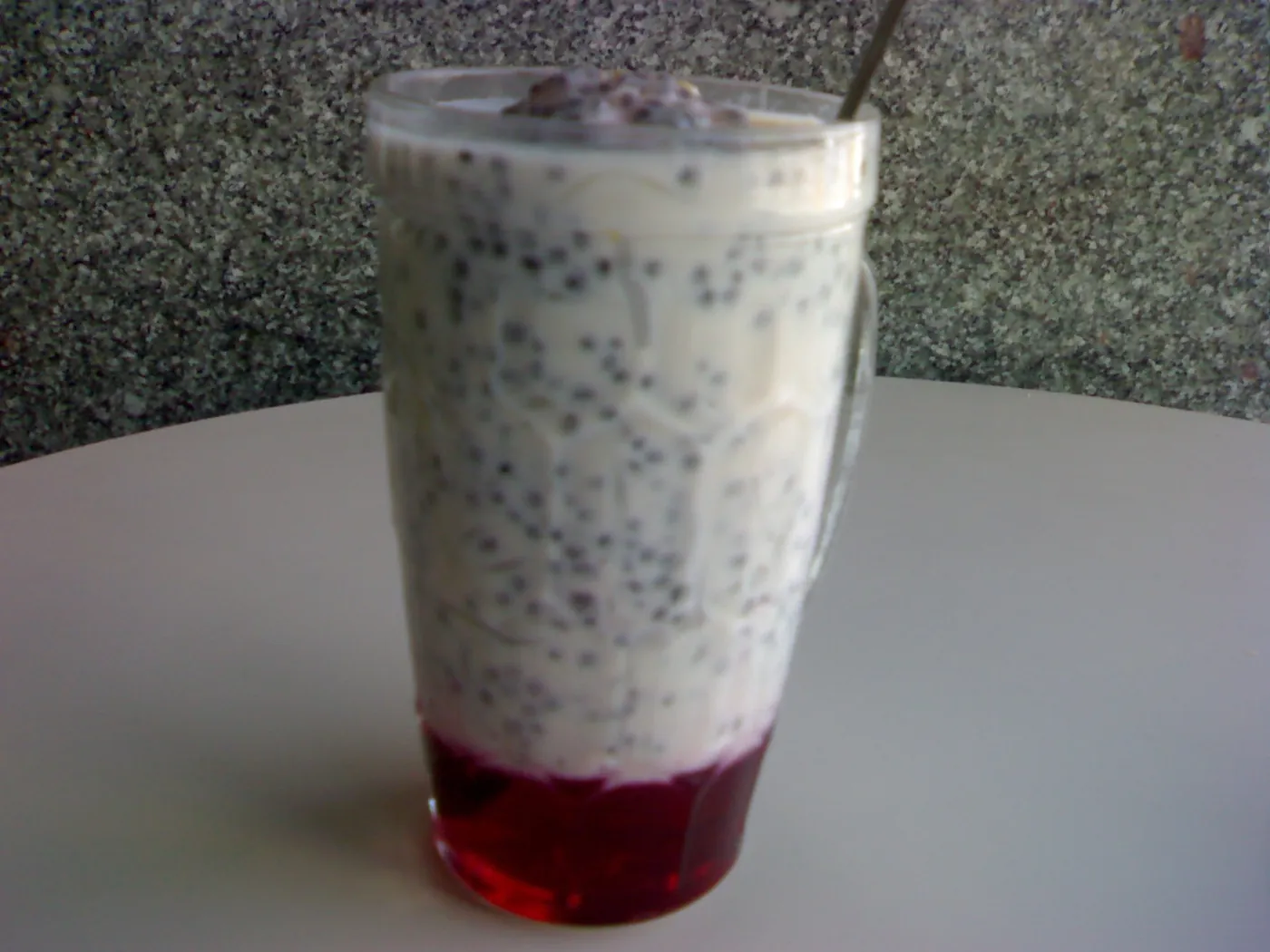
Rose syrup, soaked basil seeds and soft vermicelli layered with chilled milk and topped with kulfi or ice cream.
Falooda is assembled from prepared parts: rose syrup, soaked basil seeds, soft vermicelli, cold milk and ice cream. Prepare everything and chill it, then layer the glasses just before serving.
What is falooda?
Falooda is a cold dessert drink that came to South Asia from Persia, where faloodeh is a frozen dessert of thin starch noodles in rose-water syrup. The Pakistani version is layered in a tall glass with rose syrup, basil seeds, soft vermicelli and milk, and topped with kulfi or ice cream. It is a summer favourite in Lahore and Karachi, sold from dessert shops and street stalls.
Ingredient notes and substitutions
Basil seeds are sold as tukh malanga or sabja at South Asian grocers; they are not the same as chia seeds, although chia can be used at a pinch. Rooh Afza is the rose syrup most Pakistani households use. Some shops add cubes of coloured jelly or a spoon of chopped dried fruit; both are optional.
Common mistakes
Undercooked vermicelli is chewy and overcooked vermicelli turns to mush, so follow the packet and rinse in cold water. Warm milk melts the ice cream at once; everything should be cold.
What to serve with it
Serve in tall glasses with a long spoon and a straw, as a dessert after dinner or as a treat on a hot afternoon.
Storage and reheating
Store each component separately in the fridge for up to two days and assemble fresh. Assembled falooda does not keep.
Frequently asked questions
What are falooda seeds?
They are sweet basil seeds, sold as tukh malanga or sabja. Soaked in water, each seed swells and develops a jelly-like coating.
Can I use something other than Rooh Afza?
Yes. Any rose syrup works, or make your own by simmering 100 g sugar with 100 ml water until dissolved, cooling it and stirring in 1–2 tsp rose water and a drop of red food colouring.