REGIONAL CUISINE
Khyber Pakhtunkhwa
Direct seasoning, charcoal cooking and an emphasis on meat, bread and hospitality.
Khyber Pakhtunkhwa stretches from the plains around Peshawar to the mountain valleys of Swat and Chitral. Its cooking, largely Pashtun, puts meat at the centre of the table and keeps seasoning simple: salt, black pepper, green chilli, tomato and the smoke of a charcoal grill.
Peshawar is famous for its chapli kebabs, its Namak Mandi karahi and tikka houses, and for kahwah, the green tea widely drunk after meals. Rice dishes such as Kabuli pulao show the region’s long links with Afghanistan and Central Asia, and hospitality is a defining value: guests are fed generously, often in a hujra, the shared guest room of a household or village.
Signature dishes
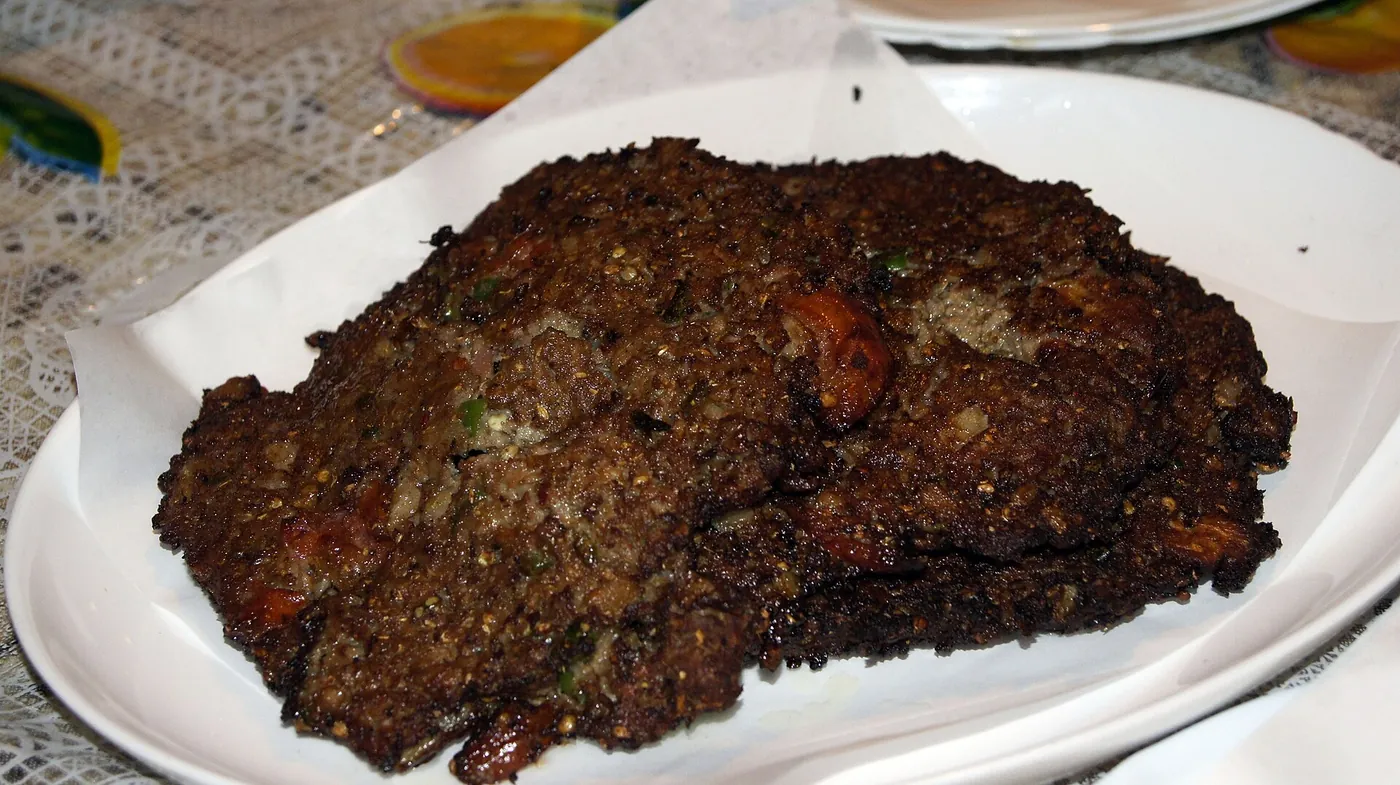
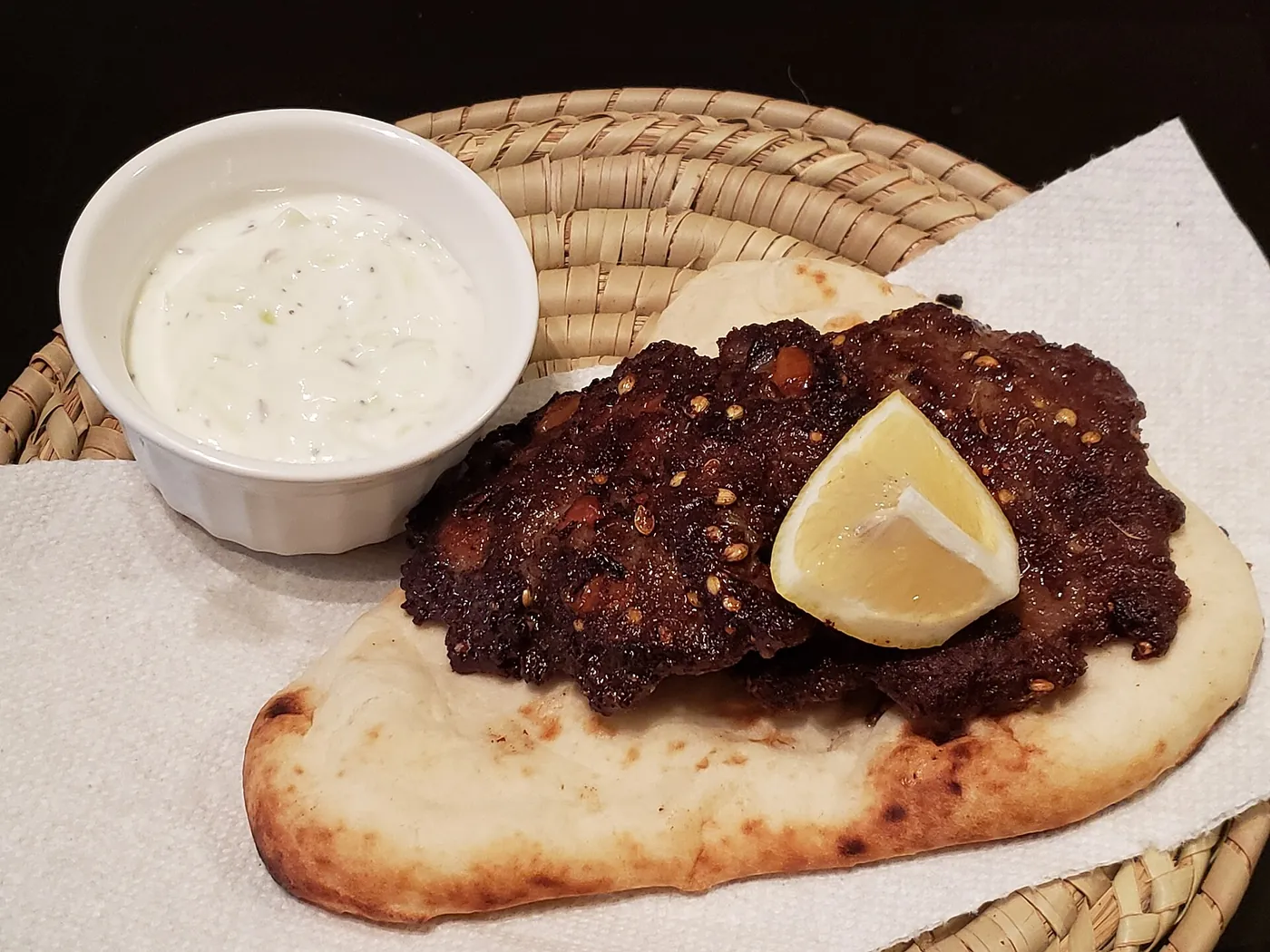
- Chapli Kebab. A flat, wide minced-beef patty seasoned with crushed coriander and anardana (dried pomegranate seed), fried until crisp — its name is usually linked to its sandal-like shape.
- Kabuli Pulao. Rice cooked with caramelised carrots, raisins and lamb, reflecting the region's Afghan-influenced trade and cooking history.
- Shinwari Karahi. A minimalist karahi — just meat, tomato, salt and green chilli, with no onion or heavy spice blend — associated with the Shinwari tribe's cooking style.
Regional ingredients
Lamb and mutton, Charcoal for direct grilling, Minimal spice, favouring salt and chilli over a built masala. Cooking here favours fewer, bolder ingredients over a layered masala — Shinwari karahi's stripped-back approach is representative of the wider regional style.
Traditions
Hujra communal eating spaces, Charcoal-grilled meat as the centre of hospitality, Strong kehwa (green tea) culture. Hospitality (melmastia) is a core Pashtun value, and meals here are built around meat served generously to guests, often in a hujra — a communal guest space — rather than a private dining room.