REGIONAL CUISINE
Gilgit-Baltistan
Buckwheat, apricot, handmade breads and practical high-altitude cooking.
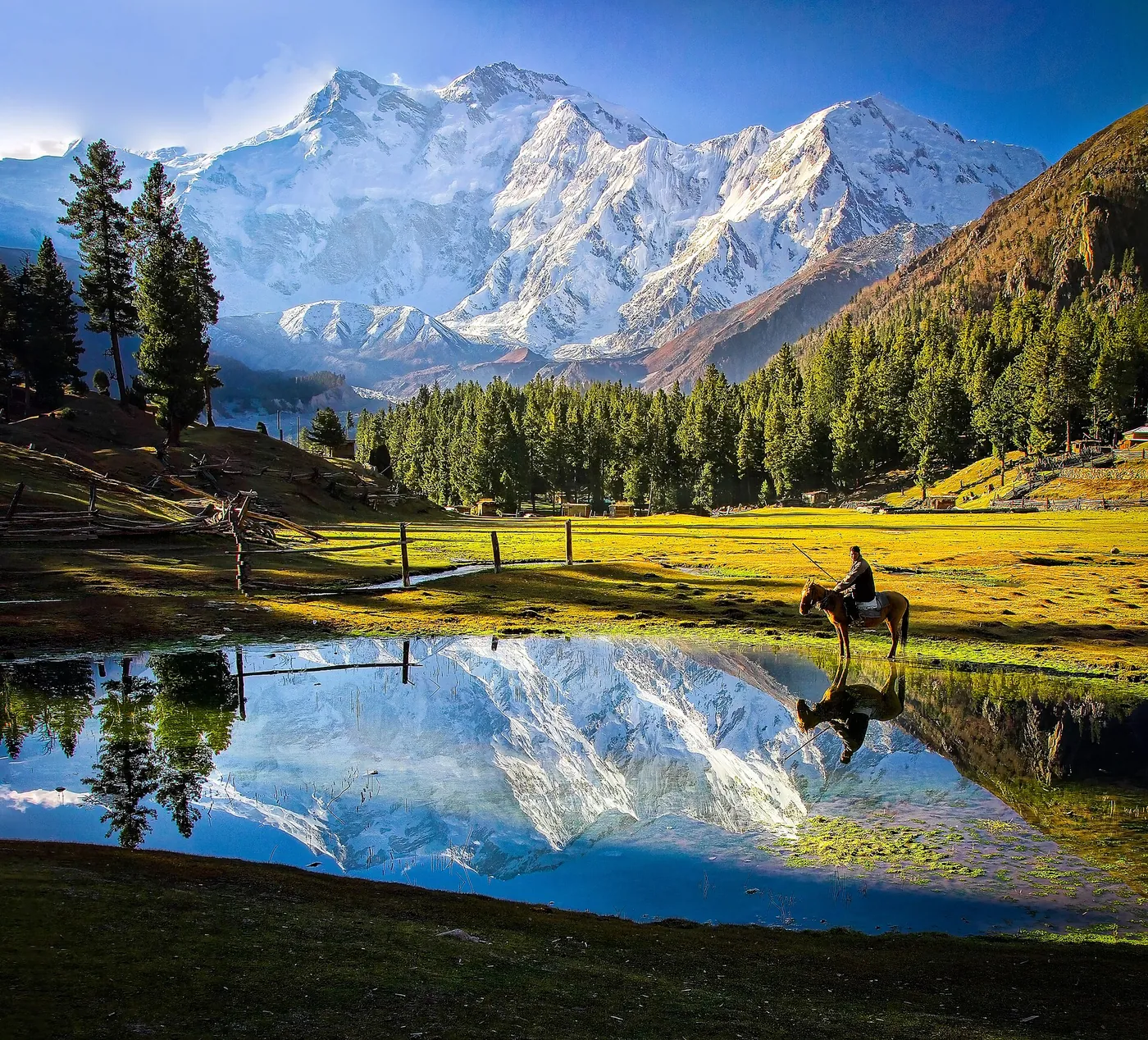
Gilgit-Baltistan lies in the high mountains of the Karakoram, Himalaya and Hindu Kush, with some of the world’s highest peaks. Short summers and long winters shape its food: wheat, barley and buckwheat grow in the valleys, and apricots, mulberries and walnuts are dried or pressed for oil to last through the cold months.
Dishes such as mamtu dumplings, chapshuro pies and noodle soups show the region’s links to Central Asia and China along old trade routes, while Baltistan shares salted butter tea with Ladakh and Tibet. Local food is now more widely known thanks to tourism in Hunza and Skardu, where cafés serve buckwheat breads, apricot desserts and chapshuro to visitors.
Signature dishes
- Chapshuro. A meat-filled flatbread, sealed like a large pasty and cooked on a griddle or baked, popular in Gilgit and Hunza.
- Mamtu. Steamed dumplings filled with minced meat and onion, served with a yoghurt or tomato-based dip — a clear reflection of the region's Central Asian trade links.
- Giyaling. A thin buckwheat pancake-bread cooked on a griddle and often eaten with butter or apricot oil; buckwheat suits the short growing season of the high valleys.
Regional ingredients
Buckwheat and barley, Dried apricot, Yak or mountain-livestock dairy. Short summers at high altitude shape what is grown: wheat, barley and buckwheat in the valleys, and apricots, which are dried in huge quantities on rooftops to last the winter.
Traditions
Silk Road trade influence (dumplings, noodles), Apricot drying and storage for winter, High-altitude subsistence farming. Gilgit-Baltistan's food history is shaped as much by Central Asian trade routes as by Pakistani cuisine broadly — dishes like mamtu share more with Central Asian dumplings than with food from Punjab or Sindh.